September 10, 2026
Choosing the right railing material can make a significant difference in the safety, appearance, and upkeep of a property. Railings provide essential support along stairs, decks, porches, balconies, and ramps, but they also contribute to the overall character of a building. Homeowners and property managers often want a solution that looks polished without requiring constant maintenance or extensive repairs.
Aluminum offers a practical combination of strength, durability, design flexibility, and weather resistance. These qualities make aluminum hand railings suitable for many residential and commercial applications, whether a property needs a simple handhold for a set of steps or a complete railing system around an elevated outdoor space. The right railing can also help create a more welcoming entryway, define outdoor living areas, and improve accessibility throughout a property.
Lightweight Performance and Reliable Strength
Easier Handling and Installation
One of the most practical characteristics of aluminum is its relatively low weight. According to the U.S. Geological Survey (USGS), aluminum has a weight of approximately one-third that of steel or copper. This lighter construction can make components easier to transport, position, and install while still providing the rigidity needed for a dependable railing system.
The reduced weight can be especially useful when railing sections need to be installed along stairs, sloped walkways, or areas with limited access. Professional installers can measure and position components more efficiently, helping create clean transitions between level surfaces, stair runs, corners, and landings. Aluminum hand railings can also be adapted to different property layouts without requiring excessively heavy components.
Lightweight construction can be beneficial during renovation projects as well. When an existing porch, deck, or stairway needs a railing upgrade, installers must account for the structure already in place. Aluminum can provide a practical option without introducing the same amount of weight associated with heavier metal systems. This can simplify material handling while allowing the railing to be positioned precisely according to the property's layout.
Dependable Support for Daily Use
A railing needs to provide consistent support whenever someone reaches for it. Aluminum combines a lightweight structure with the strength necessary for many everyday residential and commercial applications. When properly designed and anchored, a railing can provide a stable handhold along stairs, ramps, porches, balconies, and other areas where additional support is beneficial.
Proper installation is just as important as the material itself. Posts and brackets need to be securely attached to the appropriate substrate, while rail heights, spacing, and graspable profiles should be selected according to applicable building requirements. A professional installation can help ensure that the finished system feels sturdy and comfortable during regular use.
The needs of a property can also change depending on who uses the space. Aluminum hand railings around a busy commercial property may experience frequent daily contact, while ones that are installed along residential steps may provide support for family members and visitors. Selecting appropriate components and mounting methods helps create a system suited to the demands of its particular setting.
Low Maintenance and Weather Resistance
Protection Against Moisture and Corrosion
Outdoor railings are exposed to rain, snow, humidity, temperature changes, and other environmental conditions. Materials that absorb moisture or are vulnerable to corrosion can require considerable attention as they age. Aluminum naturally develops an oxide layer that helps protect the underlying metal from corrosion, making it particularly useful for outdoor applications.
Many aluminum systems also use powder-coated finishes that add another layer of protection while providing a consistent appearance. This combination helps the railing withstand regular exposure without the rust concerns associated with untreated steel. For properties where railings are exposed to precipitation, road salt, or other harsh conditions, this resistance can simplify long-term maintenance.
Seasonal weather can be especially demanding on exterior structures. Repeated exposure to moisture and changing temperatures can contribute to deterioration in materials that are not suited to outdoor conditions. Aluminum hand railings can help property owners avoid some of the common concerns associated with moisture-sensitive materials, making them a practical choice for exposed stairs, decks, porches, and ramps.
Simple Cleaning Requirements
Aluminum railings generally require less routine upkeep than materials that need frequent painting, staining, or sealing. In many situations, regular cleaning can be handled with water and mild soap to remove dirt, dust, pollen, and other surface buildup. This straightforward maintenance routine can be convenient for homeowners who want attractive exterior features without adding extensive seasonal chores.
The finish can also contribute to a consistent appearance. Quality powder-coated surfaces are available in numerous colors and textures, allowing property owners to coordinate railings with siding, trim, decking, doors, windows, or landscaping. With appropriate care, the surface can continue to provide a clean, finished appearance while avoiding many of the maintenance tasks associated with wood or unprotected metal.
Lower maintenance requirements can also make aluminum hand railings appealing for property owners managing multiple outdoor areas. Instead of regularly sanding, repainting, or refinishing a railing, routine cleaning can often be sufficient to keep the surface presentable. This allows homeowners, landlords, and commercial property managers to spend less time maintaining the railing itself while still keeping the surrounding property looking finished and well cared for.
Versatile Design for Different Properties
Options for Architectural Styles
A railing should serve a functional purpose without looking out of place on the property. Aluminum systems can be designed with different post shapes, top-rail profiles, infill styles, and colors to complement a wide range of architectural designs. Sleek lines can support a contemporary appearance, while more traditional profiles can provide a classic look around porches and entryways.
Aluminum hand railings can also be configured for different applications throughout a property. A homeowner may need a straightforward railing along front steps, a perimeter system around a deck, or a more substantial installation around a balcony. Design options allow the railing to address the specific location while maintaining a cohesive appearance across the property.
Color and finish selection can further integrate a railing into the surrounding architecture. Dark finishes can create contrast against lighter siding, while neutral shades can blend more subtly with existing materials. Decorative or open infill options can also preserve visibility around decks and porches, allowing the railing to provide safety without making an outdoor area feel closed in.
Adaptability for Stairs, Decks, and Ramps
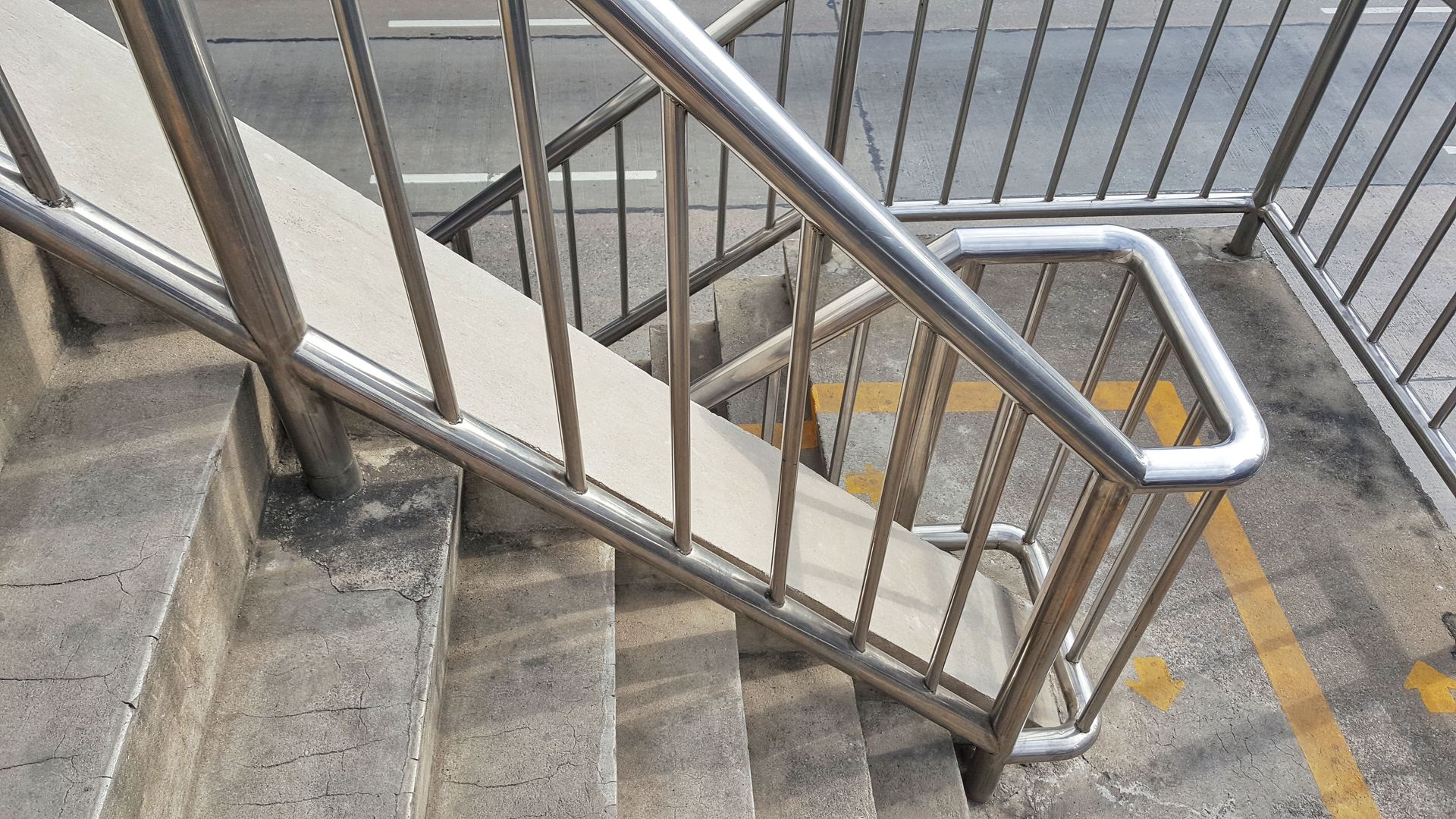
Every property presents different installation conditions. Stairs may have changing angles, decks can require long perimeter runs, and ramps often involve extended slopes that require carefully positioned handrails. Aluminum railing components can be configured for level sections, stair pitches, corners, and other layouts when properly planned and installed.
The material is also compatible with several common substrates, including wood framing, composite decking, concrete, and masonry when suitable hardware and anchoring methods are used. This flexibility makes aluminum useful for new construction as well as remodeling projects. A carefully planned system can provide secure handholds while fitting naturally into the existing structure.
Aluminum hand railings can also accommodate a variety of property uses beyond a basic staircase. They can be installed around raised decks, along porch edges, beside basement stairs, and near accessible ramps. Because each application has different dimensions and safety considerations, professional measurements and planning are important for determining post placement, rail height, spacing, and attachment points.
For property owners comparing railing materials, aluminum provides a balanced approach to safety, appearance, and maintenance. Its corrosion resistance, flexible design options, manageable weight, and compatibility with different applications make it suitable for many settings. With appropriate measurements, anchoring, and code considerations, aluminum railings can provide dependable support while contributing to a polished finished property. Contact Titan Fence Co today to explore durable, low-maintenance aluminum hand railings for your property.