June 5, 2026
Wood rot and decay are common issues that can significantly compromise the integrity of wooden fences. Discoloration, softness, and a musty odor are tell-tale signs of rot, often starting from the base of the fence post. Spotting these signs early is crucial, as untreated wood rot can spread rapidly, jeopardizing the entire structure. Regular inspection of a wooden fence is advisable, particularly after rainy seasons or prolonged exposure to moisture. Addressing minor signs of rot promptly can help in deciding whether repair or replacement is the more economical choice.
Weather conditions play a significant role in the deterioration of wooden structures. Consistent exposure to rain, snow, and sunlight accelerates the wear and tear, fostering an environment conducive to rot. Humidity and temperature changes cause the wood to expand and contract, leading to cracks and splits. Windstorms can exacerbate structural issues, making fences more prone to collapse. Understanding weather-related vulnerabilities helps in planning adequate protective measures or deciding when replacement is necessary.
While several treatments exist to combat wood rot, their effectiveness can vary over time. Sealants and preservatives provide a protective layer against water, but their effects diminish due to environmental exposure. Regular re-application is necessary to maintain the protection, although it doesn’t eliminate the risk of decay. Treatments can delay replacement, but they are not a substitute for regular maintenance and inspection. When treatments fail to prevent or reverse damage, replacement becomes the more reliable solution.
Comparing Repair vs. Replacement Costs
Financial considerations are pivotal when deliberating between fence repair and replacement. Minor repairs may suffice temporarily, but can accumulate into high costs over time. Replacement may seem costlier upfront; however, it can prove more economical in the long run by reducing repeat repair expenses. According to The Freedonia Group, 81% of residential fencing demand in recent years came from the improvement and repair sector. This statistic underscores the importance of evaluating long-term financial implications when deciding between repair and replacement.
When facing issues with traditional wood, exploring alternative materials is a prudent strategy. Vinyl, composite, and metal offer greater durability and resistance to the elements, reducing maintenance needs and extending fence lifespan. Each material comes with its pros and cons; for instance, vinyl is resistant to rot but might lack the aesthetic appeal of wood. Composite materials blend wood and plastic, providing the appearance of wood with enhanced durability. Evaluating these options can lead to a more cost-effective and sustainable fencing solution.
Structural Instability
A leaning fence is not only unsightly but also signals potential structural failure. It can result from issues such as improper installation, weakened posts, or soil erosion around the base. Identifying and rectifying this issue early on can prevent complete fence collapse, which poses safety risks. Regular checks, especially after severe weather events, can help detect a leaning fence in its initial stages. Addressing leaning quickly ensures continued fence functionality and may prolong its useful life.
The stability of a fence largely depends on the integrity of its posts and foundation. Posts set too shallowly or in inadequate substrates may develop instability over time. Erosion and improper anchoring affect foundation integrity, necessitating periodic inspections. Reparation of post and foundation issues can forestall more extensive damage, offering a reprieve from full replacement. However, repeated problems with post integrity could make replacement the more pragmatic choice.
Adverse weather conditions can significantly undermine fence stability. High winds and storms exert pressure on fence panels, causing misalignment, breakage, or complete dislocation. Fallen branches and debris can inflict damage, escalating repair needs. Proactive reinforcement of fences against winds and storms can mitigate damage; however, continuous exposure may eventually compel replacement. Addressing storm-induced instability is paramount to ensuring long-term protection and safety.
Repair Strategies and Limitations
Common fence issues, such as leaning or loosened panels, can be addressed with strategic repairs. Options include realigning posts, reinforcing weak spots, and replacing individual damaged panels. Temporary fixes like bracing may suffice until a more permanent solution is feasible. Consulting with a professional can provide clarity on the most suitable repair methods. Recognizing that persistent problems often indicate deeper structural weaknesses that warrant replacement can save future expenditures.
In some cases, the level of deterioration or damage renders replacement unavoidable. Severe rot, substantial leaning, or extensive splits suggest compromised structural integrity beyond repair. Additionally, outdated materials may limit the efficacy of repairs, necessitating full replacement for optimal functionality and appearance. Evaluating the extent of issues helps homeowners decide when investing in a new fence becomes the most prudent course of action. In such scenarios, replacement not only restores security and privacy but also enhances overall property aesthetics.
Visible Damage
Cracks and splits are common in wooden, vinyl, and composite fences, reducing their structural soundness. They indicate stress and wear, often resulting from aging materials or environmental factors. While surface-level cracks can be mended, deep splits often necessitate panel replacement. Understanding the potential for further damage is critical in deciding on repair versus replacement. Ongoing monitoring and prompt action are key to maintaining fence integrity and functionality.
Pest infestations, such as termites and carpenter ants, pose significant threats to fence longevity. They undermine the structural capability of wooden fences by eating away the fibers, leading to collapse. Pest prevention measures and treatments can protect fences, but severe infestations often require more extensive action. Continuous monitoring for signs of infestation, such as tiny holes or sawdust, helps in swift identification and intervention. Replacement may become inevitable when infestations repeatedly compromise fence structure.
Material-Specific Vulnerabilities
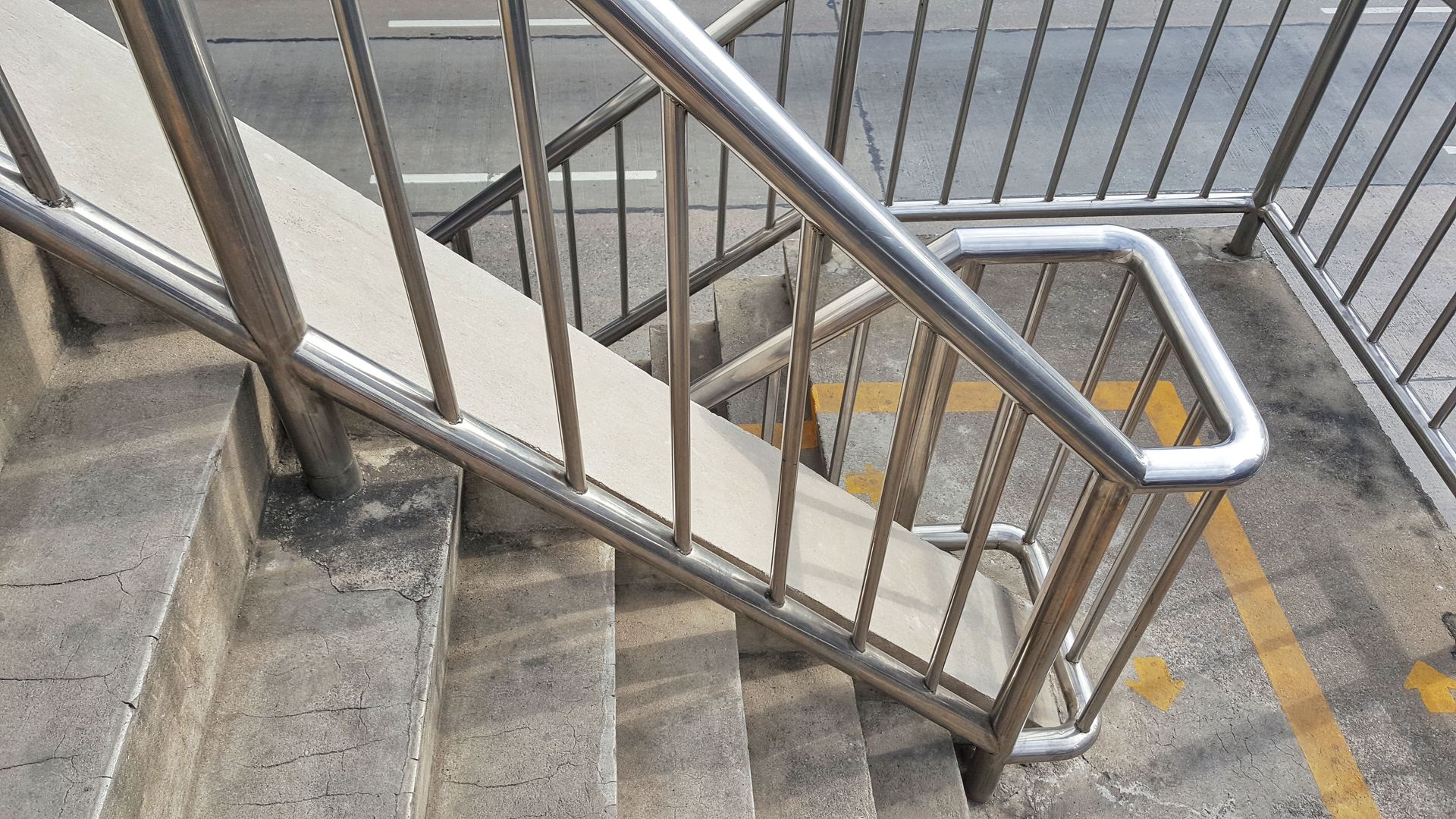
Metal fences, while durable, are susceptible to rust and corrosion, challenging their structural integrity. Rust often results from moisture exposure, especially in humid or coastal environments. While rust inhibitors and coatings can temporarily extend metal life, extensive corrosion typically demands replacement. Identifying corrosion early through regular inspection and maintenance is essential in preventing loss of fence strength. Opting for rust-resistant materials during replacement can offer long-term durability and reduced maintenance.
Paints and sealants act as protective shields, preserving fence materials against damage. They forestall rot and corrosion, extend lifespan, and maintain aesthetic appeal. However, their protective quality diminishes over time, needing periodic reapplication. Understanding these limitations emphasizes the need for regular maintenance alongside protective treatments. Acknowledging when these measures cease to be effective is important in deciding on more durable replacements.
Lack of Privacy and Security
Gaps and spaces in fencing can compromise both privacy and security. Such openings result from misaligned panels, material shrinkage, or installation errors. Gaps invite privacy invasion and can facilitate unauthorized access to the property. Regular inspections can spot these vulnerabilities, allowing for remedial measures. Addressing these issues ensures that fences fulfill their intended purpose, potentially necessitating replacement when repairs become insufficient.
Deciding whether to repair or replace your fence ultimately comes down to balancing immediate costs against long-term reliability. While minor issues like surface blemishes or localized damage can often be fixed with a few strategic repairs, widespread wood rot, structural instability, and extensive pest damage are clear indicators that your fence has reached the end of its lifespan. Investing in a timely fence replacement not only restores the essential privacy and security your property needs but also enhances your home's overall curb appeal and saves you from the cycle of endless, costly repairs. For more information, contact Titan Fence Co.