July 9, 2026
In recent years, the realm of residential fencing has witnessed remarkable transformations, driven by technological advancements, increasing aesthetic demands, and a focus on sustainability. The evolving trends in fencing installation pair well with the modern homeowner's preferences. These changes reflect significant shifts in what homeowners value most, from eco-friendly materials to advanced technological integrations. Fencing, once just a means of establishing property lines, has become an extension of personal style and a component of a home's environmental impact.
Choosing Eco-Friendly Fencing Materials
An increasing number of homeowners are shifting toward recycled composite fencing as environmental awareness grows. These fences are typically made from reclaimed plastics and wood fibers, offering a sustainable alternative to traditional lumber. Composite fencing reduces reliance on virgin wood while providing strong resistance to rot, insects, and moisture. Its visual similarity to natural wood, paired with minimal upkeep requirements, makes it an attractive option for long-term residential use. Additionally, these materials often come with extended warranties, giving homeowners added confidence in their investment.
Bamboo fencing is also gaining traction due to its fast regeneration cycle and impressive structural strength. Bamboo grows rapidly without heavy fertilizer or pesticide use, positioning it as a renewable fencing installation material with a smaller environmental footprint. Its natural appearance blends easily with outdoor landscapes, while its inherent resistance to pests and weather contributes to long service life. Living fences and green walls further extend eco-friendly options by incorporating vegetation directly into boundary structures, improving privacy, air quality, and overall outdoor aesthetics.
Adopting Sustainable Metals and Smart Technology
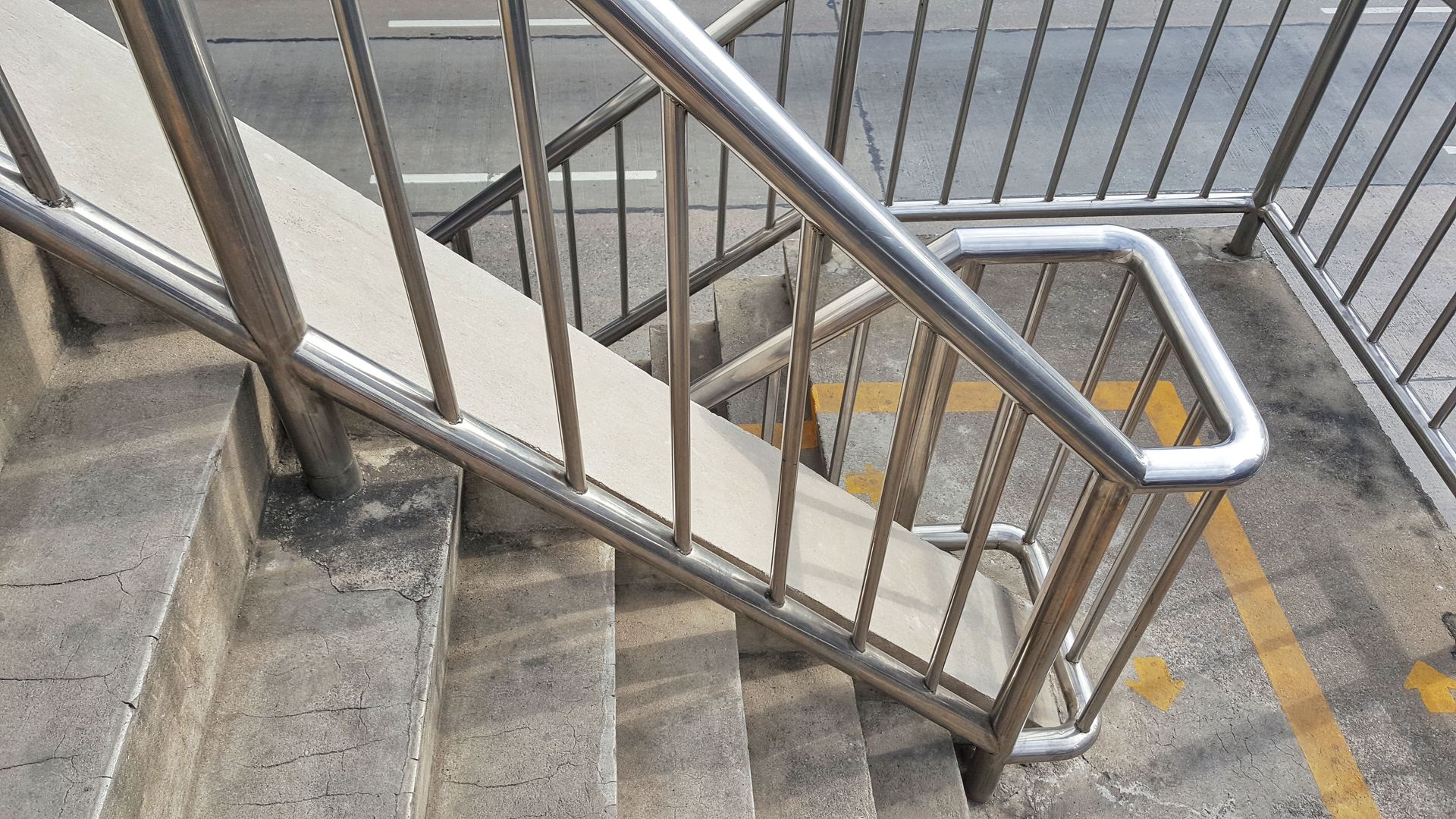
Metal fencing continues to evolve through environmentally conscious coatings and finishes. Non-toxic powder coatings and solvent-free paints are commonly applied to aluminum and steel fencing, reducing environmental impact while improving corrosion resistance. Smart fencing installation systems are becoming more common as homeowners seek increased control and convenience. These systems often integrate IoT technology, allowing users to manage gates, locks, and lighting through mobile devices. Integration with home automation platforms is making these systems more intuitive and accessible for everyday use.
Remote access features and automated alerts add layers of functionality that align with modern smart home ecosystems. Solar-powered gate openers and energy-efficient lighting further reduce the environmental footprint of these advanced security setups. Automated gates and access control systems enhance security, incorporating electric motors, keypads, and remote controls. Wireless controls and surveillance integration continue to expand the practical benefits of fencing, offering homeowners enhanced functionality without sacrificing design.
Following Aesthetic Trends in Fencing Design
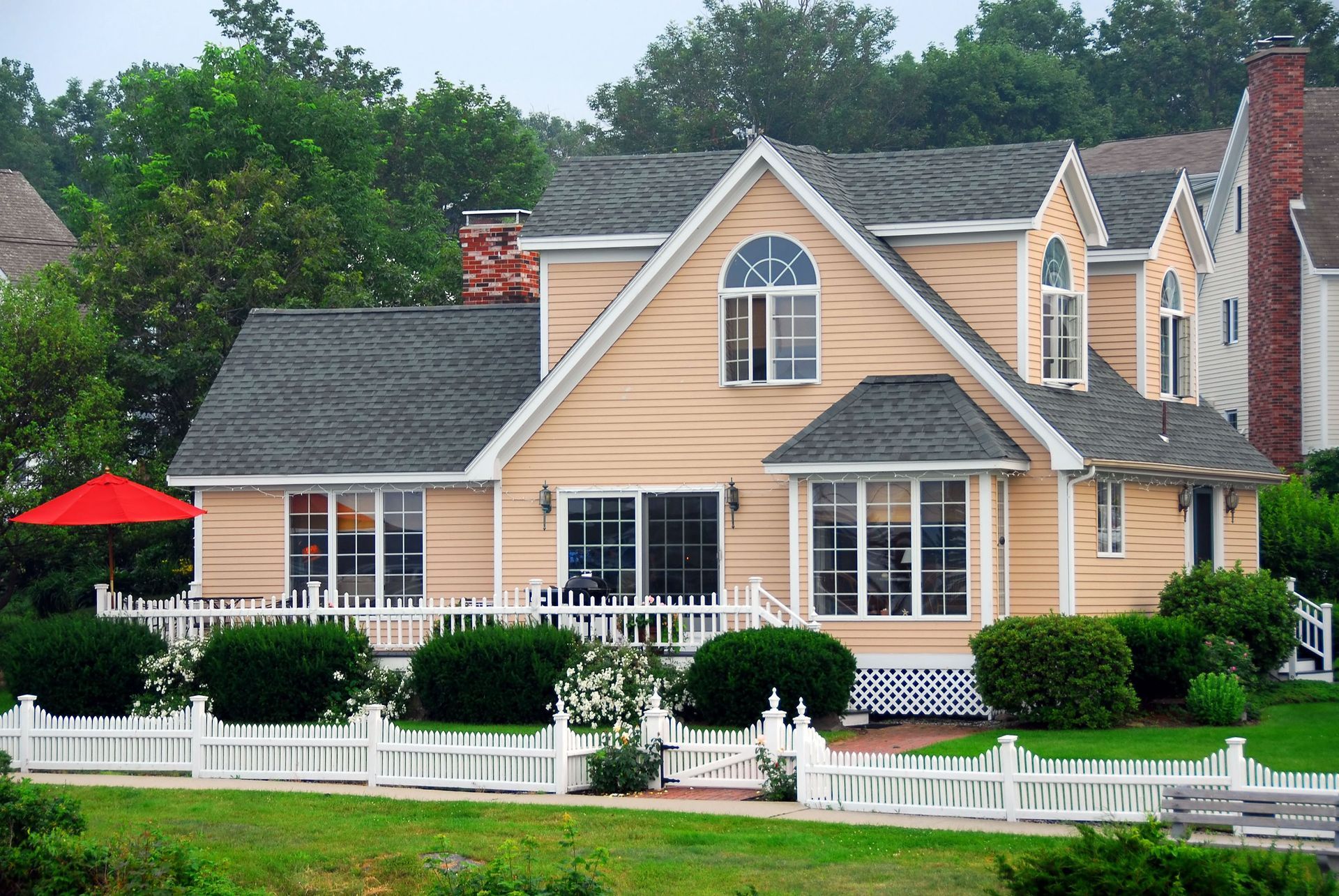
Minimalist fencing designs are gaining popularity as homeowners favor clean lines and understated finishes. Neutral color palettes and simple forms complement modern architectural styles while maintaining a timeless appearance. This design approach allows fencing installation to frame a property without overpowering surrounding elements. Personalization has also grown in importance, with bespoke designs, artistic metalwork, and decorative panels transforming fences into visual statements that reflect individual taste. Homeowners are increasingly combining minimalist frameworks with subtle decorative accents to achieve both simplicity and unique character.
Blending fences with landscaping is another key trend, where plants, stones, and water features are incorporated to create seamless outdoor environments. Color, texture, and integrated lighting enhance visual appeal and usability, supporting evening use and aesthetic cohesion. Fences are increasingly treated as both functional and artistic elements, demonstrating the evolving role of outdoor boundaries in residential design. This approach allows homeowners to create cohesive spaces that harmonize architecture, garden design, and outdoor living areas.
Addressing Urbanization and Population Density
Privacy fencing is becoming essential in high-density urban areas, where proximity to neighbors can feel intrusive. Taller and less permeable designs provide solitude and personal space, with material choices such as vinyl, wood, and metal tailored to durability and aesthetics. Compact and multi-purpose fencing solutions are also emerging, offering space-saving features without sacrificing functionality. Homeowners are increasingly choosing modular designs that can be adjusted or expanded as neighborhood layouts and personal needs change. These adaptable fences allow residents to maintain privacy even as urban spaces evolve and properties are modified.
Noise-reducing fencing solutions are gaining attention in urban settings. Specialized materials and layered designs help absorb and deflect sound from traffic and neighboring properties. These features improve residential comfort and support quieter outdoor environments. Urban growth continues to drive innovation in fencing solutions that address space constraints and environmental stressors. Recent research indicates that combining vegetation with acoustic fencing can enhance sound absorption while adding aesthetic value. Many urban homeowners are now pairing these solutions with green walls and planters to create multifunctional outdoor spaces.
Considering Costs and Economic Factors
Material cost remains a central factor in fencing decisions, with homeowners balancing budget limitations against durability and appearance. Vinyl, aluminum, and treated wood are frequently chosen for their favorable cost-to-performance ratios. These materials offer long service life with reduced maintenance demands, appealing to budget-conscious buyers. Economic considerations often shape material selection and overall project scope. Regional pricing variations and seasonal promotions can also influence homeowners' material choices and project timing. Supply chain factors and local contractor availability further affect material selection and project scheduling.
Long-term value is increasingly influencing purchasing behavior as homeowners evaluate lifecycle costs rather than upfront expenses alone. Durable materials may require a higher initial investment but often reduce repair and replacement frequency. Financing options and flexible payment plans have expanded access to higher-quality fencing solutions. These financial tools allow homeowners to align property improvements with broader economic conditions and personal budgeting strategies. Many homeowners also consider resale value, choosing materials that enhance property appeal for future buyers.
Respecting Cultural and Regional Fencing Preferences
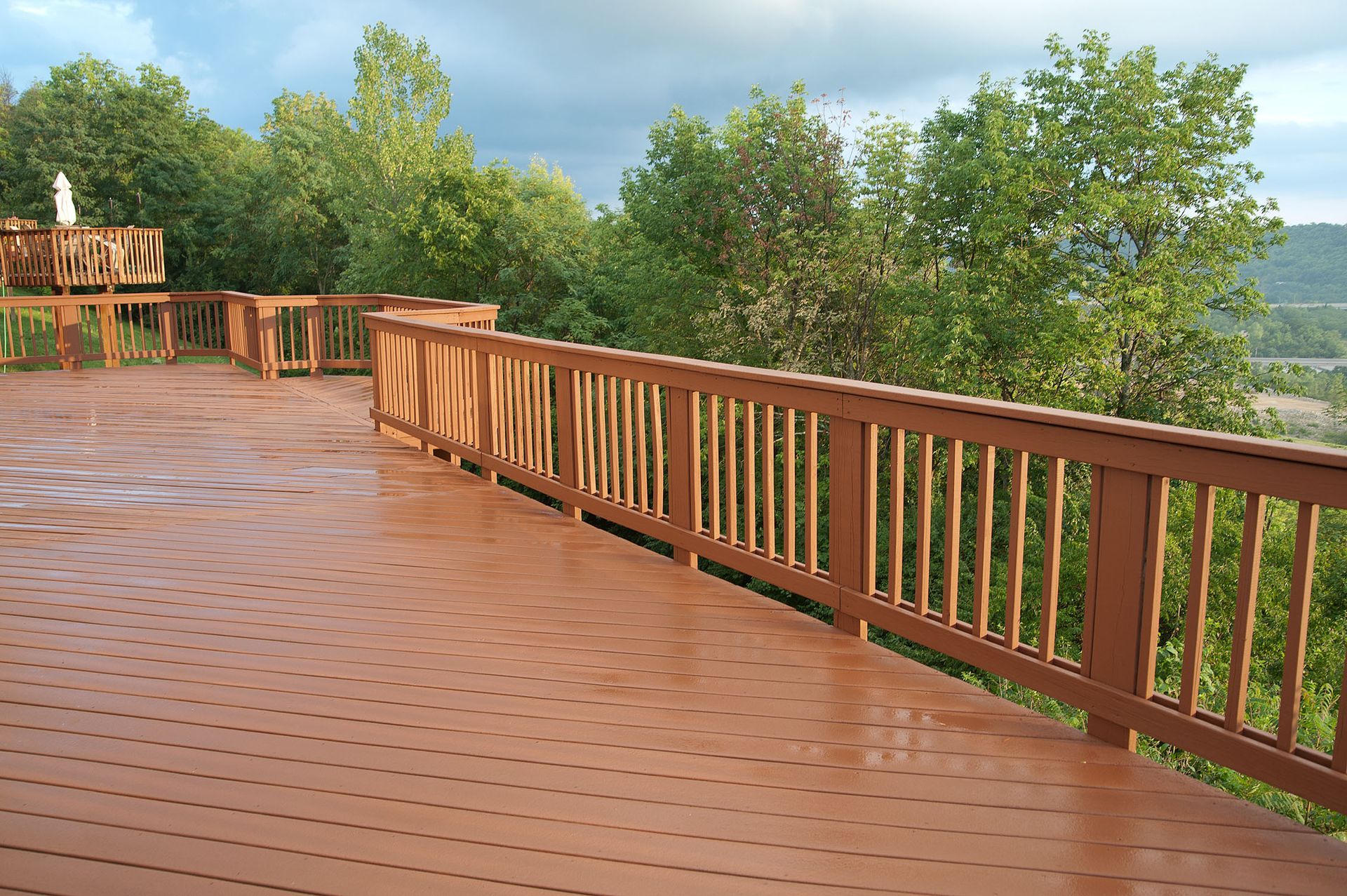
Fencing installation materials vary significantly based on regional resources and climate conditions, impacting local preferences and availability. Coastal areas favor moisture-resistant options like vinyl and aluminum, while forested regions lean toward natural wood. Local climate and material access shape both aesthetic and functional decisions, highlighting regional adaptation within residential fencing. According to Industry Research, more than 45% of railing fence installations in North America featured aluminum fencing last year due to its durability and safety compliance. Extreme weather patterns, such as heavy snowfall or high winds, further influence material choice and fence design.
Cultural and historical influences also shape fencing choices. Traditional designs reflect nostalgia and community identity, while modern styles prioritize innovation and minimalism. Fences can even serve as cultural symbols or artistic statements within neighborhoods, reinforcing collective values and shared identity. Homeowners increasingly select designs that balance personal expression with regional context. In some areas, fences are integrated into festivals, seasonal decorations, or local art initiatives, showcasing community pride. Furthermore, social trends and generational preferences continue to drive shifts between classic and contemporary fencing aesthetics.
The landscape of residential fencing is dynamically evolving to meet the demands of contemporary lifestyles. The integration of sustainability, technology, and aesthetic design reflects a deeper understanding of consumer needs and environmental considerations. By balancing aesthetics, innovation, sustainability, and cost, fencing installation trends are resonating with modern homeowners, offering solutions that enhance both the functionality and beauty of residential spaces. As evolution continues, attention to influences like economic conditions and cultural preferences will shape the future of residential fencing. Fencing has become a critical component of modern residential architecture, enhancing property value, security, and personal satisfaction. Ready to elevate your property with expert-crafted fencing solutions? Contact Titan Fence today for a free estimate and start your project with our reliable fencing professionals!