January 21, 2026
Homeowners considering installing a fence can benefit from understanding modern design options, materials, and installation practices. Choosing the right contractor, evaluating different materials, and planning the project carefully can greatly influence the fence’s durability, appearance, and overall value.
Whether the goal is to enhance privacy, improve curb appeal, or increase property security, informed decisions help homeowners achieve results that meet both functional and aesthetic needs. Working with experienced fence installers can guide homeowners through material choices, design considerations, and installation techniques, helping create a fence that aligns with the property’s layout, maintenance expectations, and long-term performance.
Choosing the Right Fence Contractor
Choosing the right fence installer begins with checking credentials and experience. Homeowners should confirm the contractor holds the proper licenses and certifications and has experience with a variety of fencing materials and installation techniques. Reviewing past projects or speaking with previous clients provides insight into workmanship, professionalism, and the ability to meet deadlines and budgets. A skilled installer can anticipate challenges and offer solutions that less experienced contractors might miss, making a big difference in the final result.
Credentials are only one part of the evaluation. Factors like how long the contractor has been in business, areas of specialization, and customer feedback are equally important. Reviews and testimonials reveal patterns in service quality and how well issues are handled, while direct project visits or endorsements provide context beyond ratings. Following these steps helps homeowners identify experienced fence installers who deliver reliable, high-quality results.
Comparing multiple quotes allows homeowners to balance cost and value, with clear breakdowns of labor, materials, and any additional charges. Price alone shouldn’t drive the decision, as very low estimates may indicate inexperience or shortcuts. Reviewing warranty and insurance coverage, including labor and liability protections, safeguards the homeowner against defects or damages. Open discussions about responsibilities and coverage give confidence that the project will be completed correctly, providing peace of mind from start to finish.
Understanding Different Fencing Materials
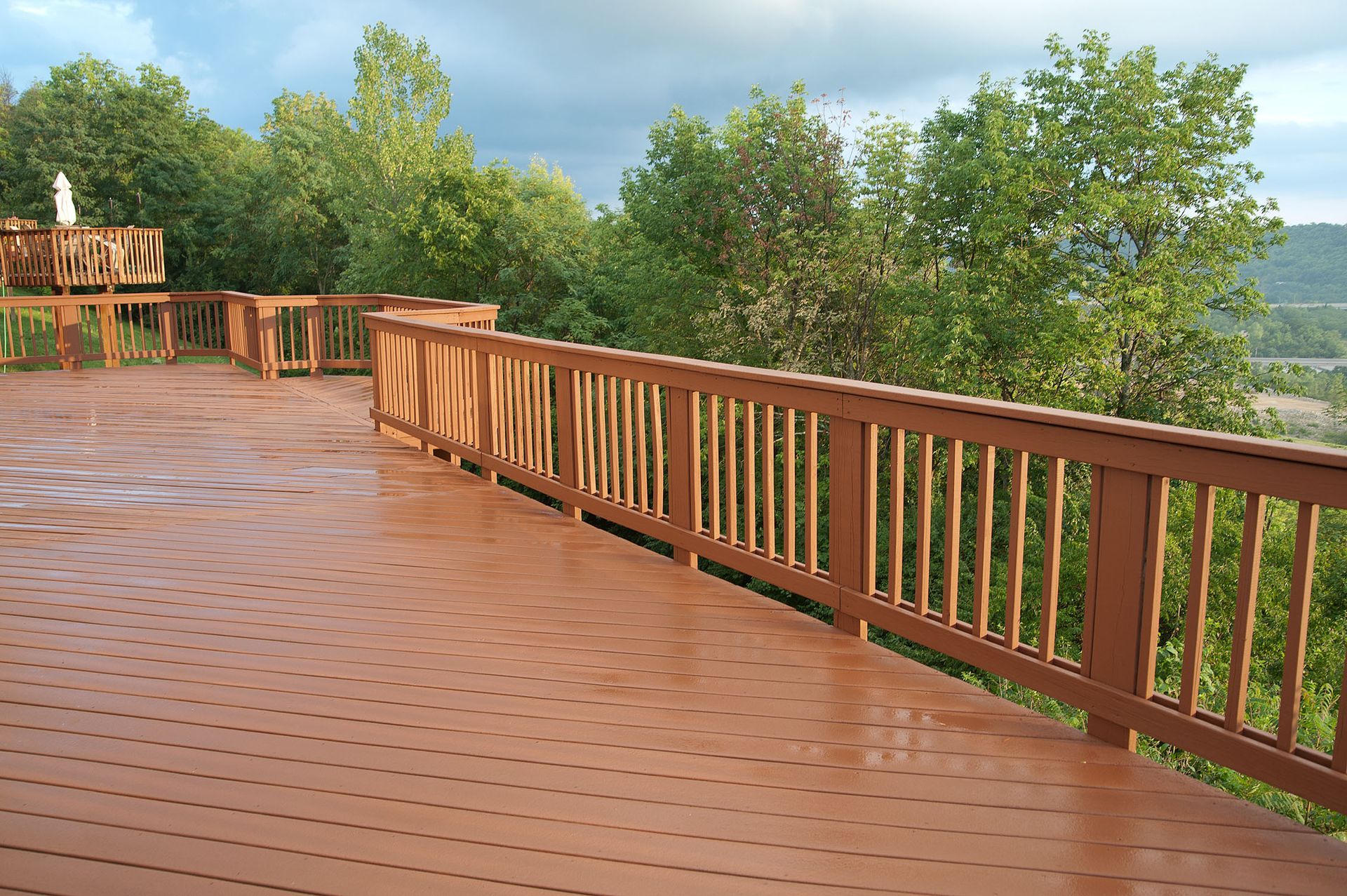
Wood fencing is a classic choice, valued for its natural beauty and versatility. Cedar, pine, and redwood are among the most popular options, each offering distinct benefits. Cedar provides natural decay resistance and a rich color, pine is an affordable option when pressure-treated, and redwood offers durability and insect resistance at a higher cost. Homeowners can consult with professional fence installers to select the best wood type for their climate, design preferences, and maintenance expectations. Considering these factors helps create a fence that combines style, longevity, and functionality.
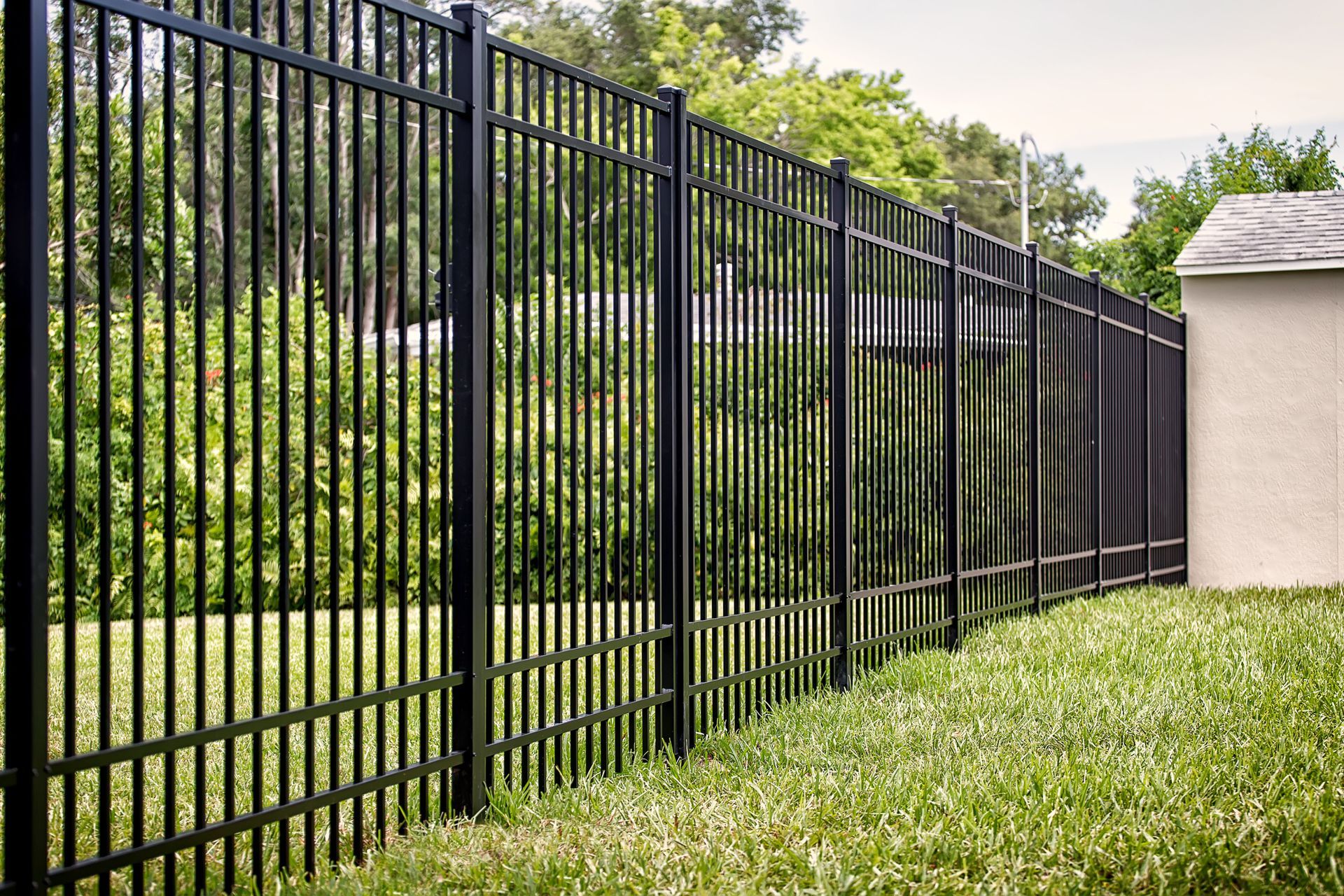
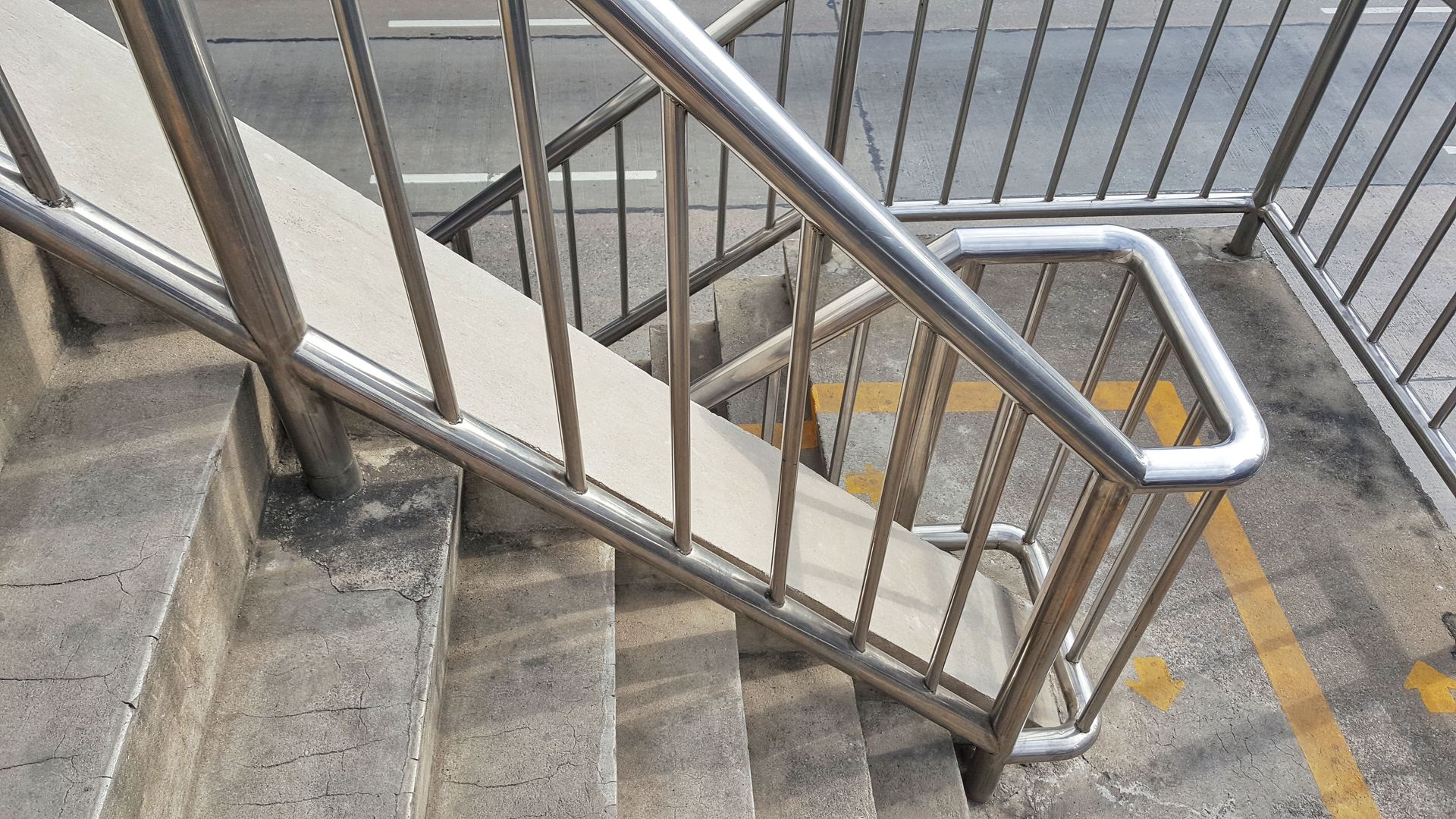
Vinyl, metal, and composite fencing offer low-maintenance alternatives for homeowners seeking durability with minimal upkeep. Vinyl resists moisture, termites, and UV damage, while aluminum fencing retains up to 85% of its color and finish after ten years of outdoor exposure, according to WifiTalents. Metal options such as wrought iron and chain-link provide strength, security, and customization, while composite fences blend the appearance of wood with recycled materials for long-lasting performance. Experienced fence installers can guide homeowners in choosing materials that meet aesthetic and functional needs while reducing future maintenance.
Sustainable materials like bamboo, reclaimed wood, and composites made from recycled content are increasingly popular. These options offer durability, eco-friendly benefits, and a distinctive look for any property. By consulting with knowledgeable fence installers, homeowners can weigh style, cost, performance, and environmental impact. Thoughtful choices in materials and installation result in a fence that enhances the property’s appearance, supports sustainability goals, and delivers long-term value.
Decoding the Installation Process
Navigating permits and regulatory compliance is a critical part of pre-installation planning. Local building codes and zoning laws often dictate the height, placement, and materials allowed for fencing projects. Experienced fence installers can help homeowners obtain necessary permits and confirm compliance. In communities with homeowner associations, additional guidelines may influence fence design or materials, and properties near natural reserves or historical sites may require extra approvals. Addressing these requirements upfront helps prevent legal issues, fines, or fence removal, protecting the homeowner’s investment.
Proper site preparation is another essential step in a successful installation. This begins with marking the fence line according to surveyed boundaries and clearing obstacles, including vegetation or debris, that could interfere with construction. Evaluating soil conditions and potential drainage challenges allows contractors to plan post placement accurately and select materials suited to the environment. Careful preparation minimizes delays, supports alignment, and provides a stable foundation, contributing to a long-lasting, aesthetically pleasing fence.
Budget estimation and contingency planning complete the pre-installation phase. Homeowners should work with contractors to outline expected costs, including materials, labor, permits, and adjustments for unexpected obstacles. This planning allows informed decisions on material choice and design while reducing surprises during construction. Coordinating closely with professional fence installers keeps the project on schedule and within budget, resulting in a functional and attractive fence tailored to the property’s needs.
Maintaining and Caring for Your Fence
Proper maintenance is essential for keeping a fence looking good and lasting for years. Regular inspections allow homeowners to identify early signs of damage, such as loose posts, rot, rust, or warped panels, and address these issues before they become costly repairs. Cleaning with the right products, treating wood surfaces, and checking coatings on metal fences helps preserve both appearance and structural integrity.
Preventive maintenance protects the investment in a new fence by avoiding larger, more expensive repairs over time. Professionals can offer expertise on weatherproofing, sealing, and paint or stain applications appropriate for specific fence types. Following a regular upkeep schedule not only enhances curb appeal but also supports the long-term performance of the fence, reducing the likelihood of premature deterioration and keeping the property safe and attractive.
In addition to routine care, timely repairs are critical to extend the lifespan of a fence. Fence installers can identify structural weaknesses, replace damaged sections, and recommend improvements that prevent future problems. By combining consistent maintenance with professional guidance, homeowners can maximize the value, beauty, and functionality of their fence, making it a long-term asset for the property.
Choosing the Right Design for Your Property
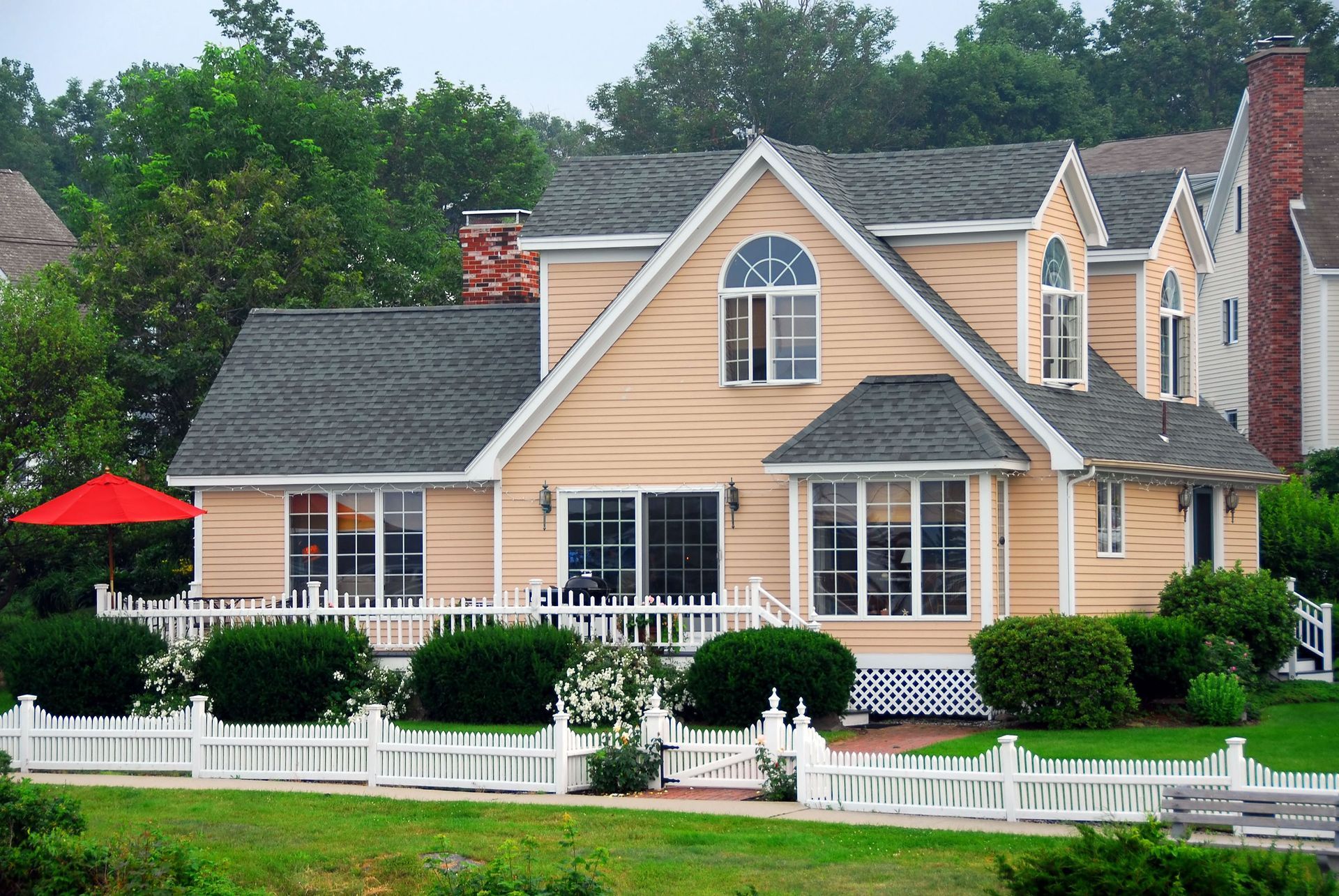
Selecting a fence design requires balancing function, aesthetics, and specific property needs. Homeowners should consider privacy, security, visibility, and how the fence complements the home’s architecture and landscaping. Consulting with professional fence installers allows design choices to be practical, comply with local regulations, and align with long-term goals for appearance and functionality. Experienced installers can also provide advice on material selection, fence height, and spacing to optimize durability and visual appeal.
Customization plays an important role in achieving the right look and performance. Gates, decorative features, varying panel heights, or integrated security measures can be incorporated to meet specific needs. Fence installers can recommend designs that balance style with material longevity, providing solutions that both enhance curb appeal and serve practical purposes for the homeowner.
Careful planning and collaboration with experts result in a fence that adds value, maintains functionality, and integrates seamlessly with the property. Professional fence installers can guide homeowners through choices that reflect personal style while addressing environmental considerations, maintenance expectations, and budget constraints. By leveraging their expertise, homeowners achieve a fence that meets both aesthetic desires and practical requirements, delivering long-term satisfaction.
Choosing the right fence, materials, and contractor requires careful consideration, from understanding modern options to navigating installation and regulatory requirements. By researching contractors, reviewing materials, and planning the project thoroughly, homeowners can achieve a fence that combines durability, functionality, and curb appeal. Thoughtful decisions at each stage help protect the investment, enhance property value, and provide long-term satisfaction. For reliable, professional fence installation services that deliver quality results, contact Titan Fence Co today.