July 30, 2026
Giving your dog a safe place to play is one of the best ways to protect their health and happiness. The right fencing helps create clear boundaries while allowing your pet to enjoy time outdoors without constant supervision. It also gives homeowners greater peace of mind, knowing their furry companion is less likely to wander into unsafe situations.
Every dog has different habits, energy levels, and instincts, so there is no one-size-fits-all solution. A setup that works perfectly for one breed may not provide enough security for another. By understanding your dog's unique needs and exploring the available options, you can choose a fence that supports both safety and everyday enjoyment.
1. Understanding Your Dog's Personality
Before selecting a fence, take time to observe how your dog behaves in the yard. Some dogs are content relaxing in the sun, while others spend their time patrolling the perimeter or chasing anything that moves. Paying attention to these habits helps you identify potential challenges before installing a barrier.
Size, strength, and athletic ability also play a major role. A large dog with powerful legs may easily clear a short fence, while a small breed might squeeze through openings that seem insignificant. Choosing fencing that matches your dog's physical abilities helps prevent escapes and reduces the likelihood of costly upgrades later.
Age should also influence your decision. Puppies often test every boundary out of curiosity, while senior dogs usually appreciate a secure, comfortable space without unnecessary obstacles. Thinking about your dog's current stage of life makes it easier to create a yard that remains functional for years to come.
2. Identifying Escape Behaviors
Many dogs have a favorite escape strategy, and recognizing it early can save plenty of frustration. Some dogs are jumpers, others dig beneath barriers, and a few become experts at slipping through loose gates or wide gaps. Understanding these behaviors allows you to choose features that address specific risks instead of relying on guesswork.
If your dog enjoys digging, reinforcing the base of the fence can provide additional security. Installing buried wire or extending the fence below ground helps discourage tunneling without changing the overall appearance of the yard. Dogs that frequently jump often benefit from taller barriers that remove the temptation altogether.
Visual distractions deserve attention as well. Dogs that become excited by passing pedestrians, squirrels, or neighboring pets may bark or attempt to chase them. A more private design can reduce outside stimulation, creating a calmer environment that encourages your dog to stay focused on enjoying the yard instead of searching for ways out.
3. Choosing the Right Material
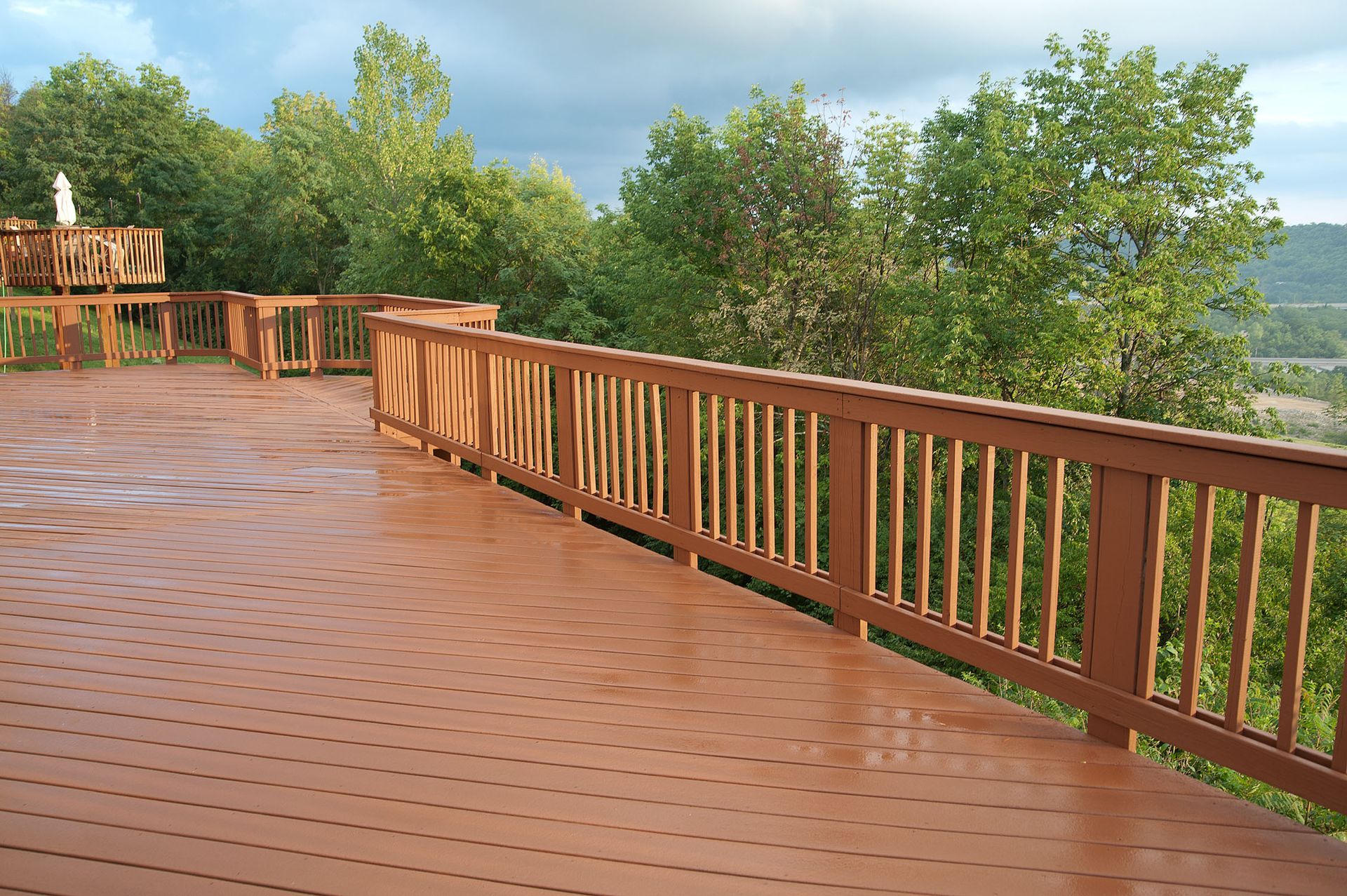
Fence materials differ significantly in appearance, maintenance requirements, and durability. Wood remains a popular choice because it provides privacy and blends naturally into many landscapes. With routine maintenance, it can deliver dependable performance while creating a warm, traditional look.
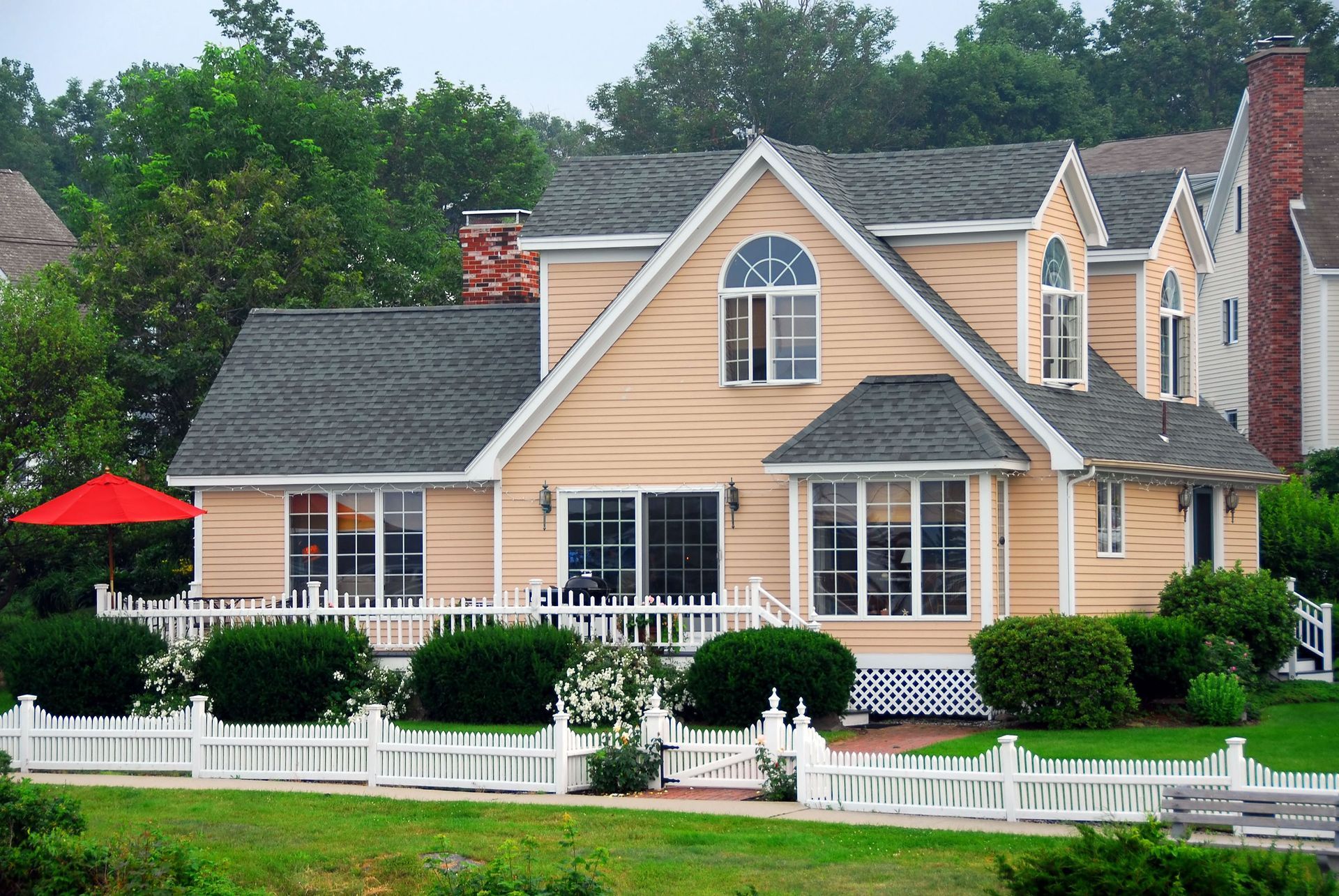
Vinyl has become another favorite because it resists moisture, insects, and fading with very little upkeep. According to The Spruce, many homeowners choose vinyl fences that stand between four and six feet tall, although both shorter and taller options are available depending on individual needs. That flexibility makes it easier to match your dog's size, jumping ability, and overall behavior without sacrificing curb appeal.
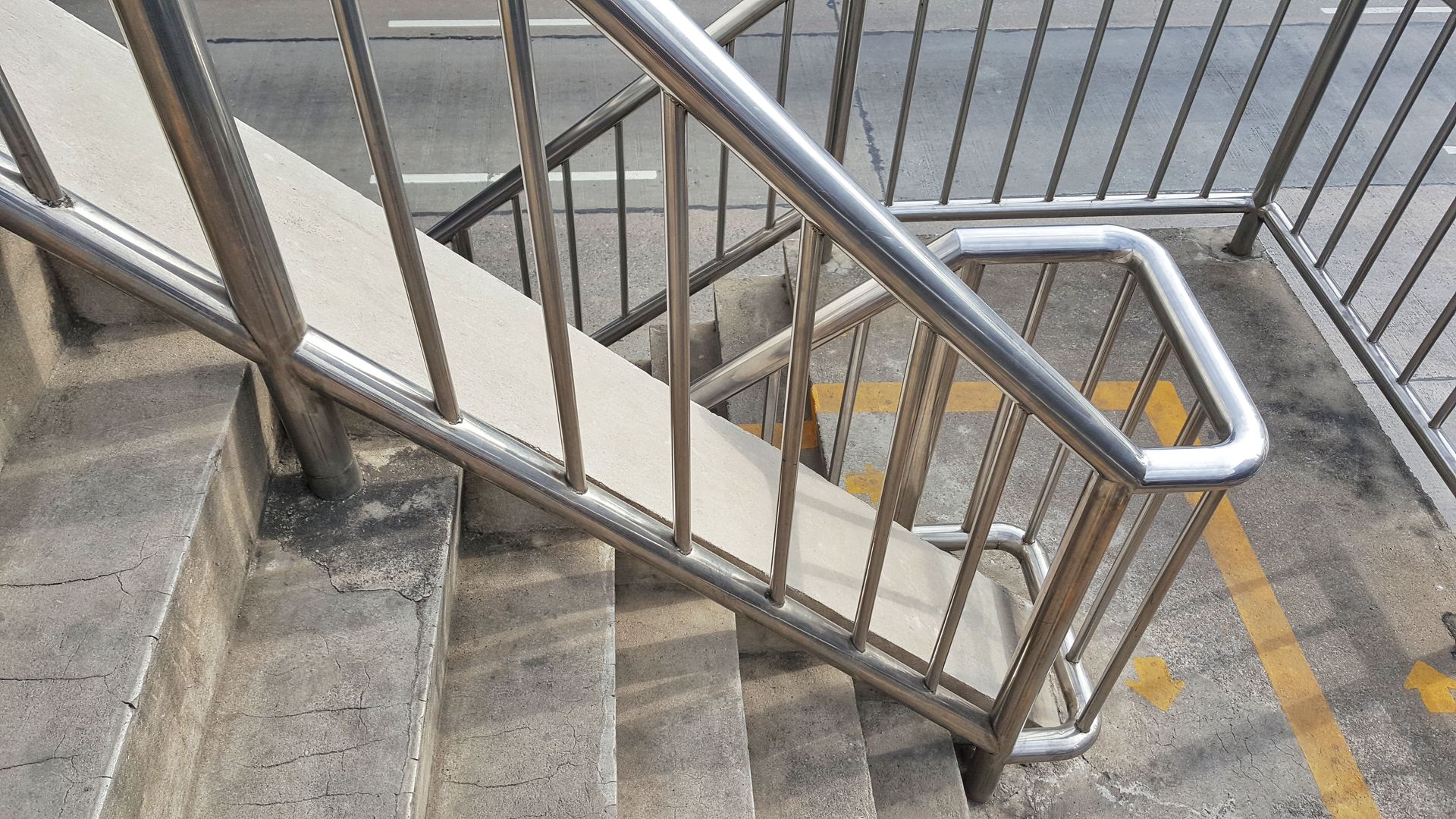
Metal options such as aluminum or steel provide impressive strength while requiring relatively little maintenance. These materials are often excellent choices for larger breeds or dogs that like to lean, push, or scratch against barriers. Selecting the right material means balancing appearance, longevity, maintenance expectations, and your pet's everyday habits rather than focusing on price alone.
4. Matching the Design With Your Yard
Your property layout should influence the overall design just as much as your dog's behavior. Sloped yards, uneven ground, and existing landscaping can affect how well a fence performs over time. Planning around these features helps eliminate gaps that adventurous pets could eventually discover.
Gate placement is another detail that deserves careful thought. Gates should be convenient for family members while remaining difficult for curious dogs to push open. Self-closing hinges and reliable latches add another layer of protection without making daily use inconvenient.
Finally, consider how the overall design fits your home's appearance. Attractive fencing should complement your landscaping instead of overpowering it. When safety and style work together, your outdoor space becomes more enjoyable for everyone, including your four-legged family member.
5. Selecting Long-Lasting Features
Choosing a fence that stands up to daily use is just as important as selecting the right style. Dogs naturally lean, run, scratch, and occasionally test boundaries, so durability should always be part of the decision-making process. Investing in quality materials from the beginning can reduce repairs and help your yard remain secure for years.
Climate is another factor worth considering. Areas with heavy rain, strong sunlight, or freezing temperatures can affect how different materials perform over time. Selecting fencing designed for your local weather conditions helps maintain both its appearance and structural integrity while minimizing maintenance.
Regular inspections also help extend the life of your fence. Checking for loose boards, damaged hardware, or small gaps allows you to fix minor issues before they become larger problems. A little preventative maintenance goes a long way toward keeping your dog safely contained.
6. Creating a Comfortable Outdoor Space
A secure fence is only one part of creating a dog-friendly yard. Your pet also needs enough room to run, explore, and relax comfortably throughout the day. Providing open space, shaded areas, and access to fresh water helps transform the yard into a place your dog genuinely enjoys.
Think about adding features that encourage healthy activity. Walking paths, designated play areas, or sturdy toys can help keep energetic dogs mentally and physically engaged. When dogs have plenty of enrichment, they are often less interested in testing boundaries or looking for ways to escape.
It's also helpful to remove potential hazards inside the enclosure. Toxic plants, sharp landscaping materials, and unsecured equipment can create unnecessary risks even within a protected yard. Combining thoughtful landscaping with reliable fencing creates an environment that supports both safety and everyday fun.
7. Working With a Professional Installer
While some homeowners choose a do-it-yourself approach, professional installation offers valuable advantages. Experienced installers understand how to account for slopes, drainage, property lines, and other factors that can affect long-term performance. Their expertise often results in a stronger, more reliable finished product.
Professionals can also recommend solutions based on your dog's specific needs rather than suggesting a generic design. Whether your pet is an enthusiastic jumper, an accomplished digger, or simply full of energy, customized recommendations can help you avoid common mistakes. Their guidance ensures the finished fence provides dependable protection without sacrificing appearance.
Working with an experienced contractor can also save time and reduce unexpected expenses. Proper installation helps prevent issues that may require costly repairs later, giving you greater confidence that your investment will continue protecting your pet for years to come.
Choosing the right fencing is about more than creating a boundary around your property. It's about understanding your dog's personality, selecting durable materials, and designing a space where they can safely enjoy the outdoors every day. When each decision is made with your pet's unique needs in mind, you'll create a yard that offers freedom, security, and lasting peace of mind for the entire family. If you're ready to explore quality fencing solutions designed to keep your furry friend safe, contact Titan Fence Co. to discuss the best options for your home.