August 3, 2026
Ensuring home safety while maintaining aesthetic appeal is one of the most critical aspects of any residential construction or renovation project. Homeowners often focus on color palettes, architectural themes, and material choices, yet the underlying structural rules govern whether a structure is truly secure. Building codes exist primarily to prevent accidental falls and structural failures that could lead to severe injuries. Staying informed about these regulations empowers you to make smarter design choices while avoiding costly fines or mandatory retrofits during municipal inspections.
Navigating the landscape of local and national building guidelines can initially feel overwhelming for homeowners and DIY enthusiasts alike. Proper code compliance protects your family, safeguards visiting guests, and preserves your home's resale value over time. Proper planning ensures that every component, from structural posts to decorative balusters, aligns with regional safety thresholds. Investing in professional hand railing installation helps guarantee that your project satisfies all legal parameters without compromising on personal style.
Understanding Height Requirements for Residential Structures
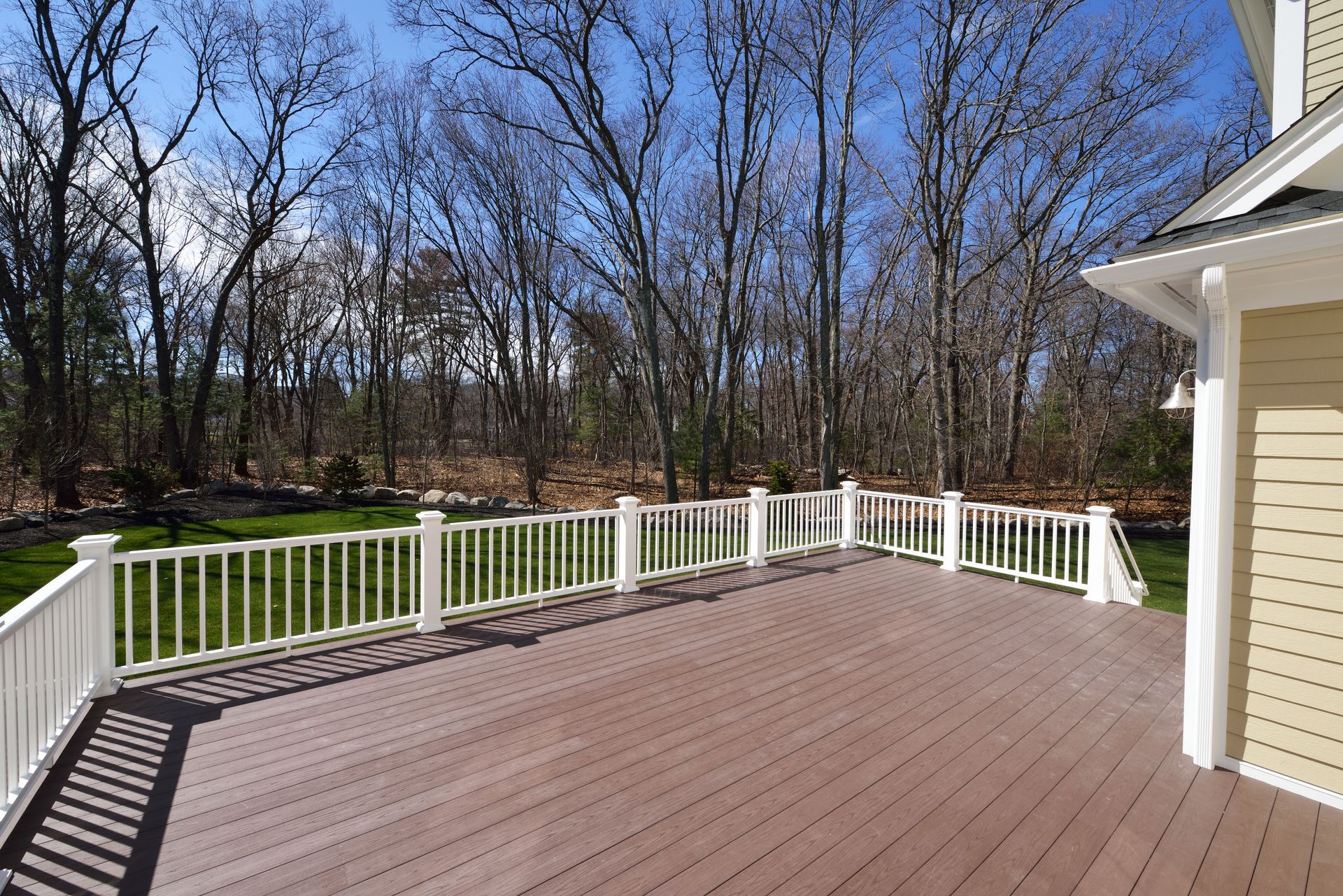
Guardrails are fundamental barrier systems designed to prevent accidental falls from elevated walking surfaces, balconies, and open decks. According to This Old House, local jurisdictions commonly demand safety railings whenever a deck surface is elevated 30 inches or more off the ground level. In our field, for standard single-family residential properties governed by the International Residential Code, the minimum required guardrail height is typically 36 inches measured from the deck surface to the top of the rail. Understanding these baseline dimensions ensures that your outdoor living space remains safe and fully compliant from day one.
While federal and national model codes set standard minimums, municipal regulations can sometimes enforce even stricter height mandates depending on property elevation or commercial proximity. When planning a custom hand railing installation, homeowners must verify whether their specific city or county requires a taller 39- or 42-inch guard design. Lower decks under 30 inches elevated off grade might not strictly mandate guardrails per industry guidelines, but installing them remains a recommended practice for enhanced safety. Failing to account for these subtle regional rule variations can delay final project approvals or result in costly architectural modifications.
Accurate measurement techniques are critical to ensuring your structural guardrails satisfy local building inspector evaluations. Inspectors determine guardrail height by measuring vertically from the highest point of the finished floor surface straight up to the top edge of the upper rail. For sloped surfaces or stairways, this line of measurement starts at the leading edge or nosing of the individual stair treads. Maintaining consistency across all elevated platforms eliminates hazardous gaps and ensures uniform protective coverage throughout the home.
Evaluating Load Capacities and Infill Spacing Guidelines
Beyond total guardrail height, the internal structural filling or balusters must conform to strict geometric safety rules. In our work, the primary standard across residential building codes is the four-inch sphere rule, which dictates that openings between infill components must not allow a four-inch diameter sphere to pass through. This rule exists primarily to protect infants and small children from slipping through vertical balusters or decorative paneling. Every section of your barrier wall must maintain this uniform spacing regardless of temperature shifts or structural settling over time.
Structural integrity is just as important as geometric spacing when constructing or upgrading home guard systems. In our profession, residential codes demand that the top edge of a guardrail withstand a concentrated force of at least 200 pounds applied in any outward or downward direction. Completing a precise hand railing installation requires strong structural anchoring to withstand heavy physical impacts without wobbling or shifting out of position. Overlooking structural support framing can cause structural failure under sudden pressure, placing occupants at risk.
Infill components, including vertical balusters, intermediate glass panels, and cable strands, must also meet individual strength thresholds. National regulations in our field require these interior filling materials to withstand a horizontal concentrated load of at least 50 pounds applied over a one-square-foot area. Modern choices like horizontal cable systems demand extra structural reinforcement because excessive cable deflection could breach the four-inch opening rule. Planning a durable hand railing installation involves choosing tension-tested hardware capable of maintaining uniform stiffness under daily environmental stressors.
Navigating Stair Safety Rules and Grip Dimensions
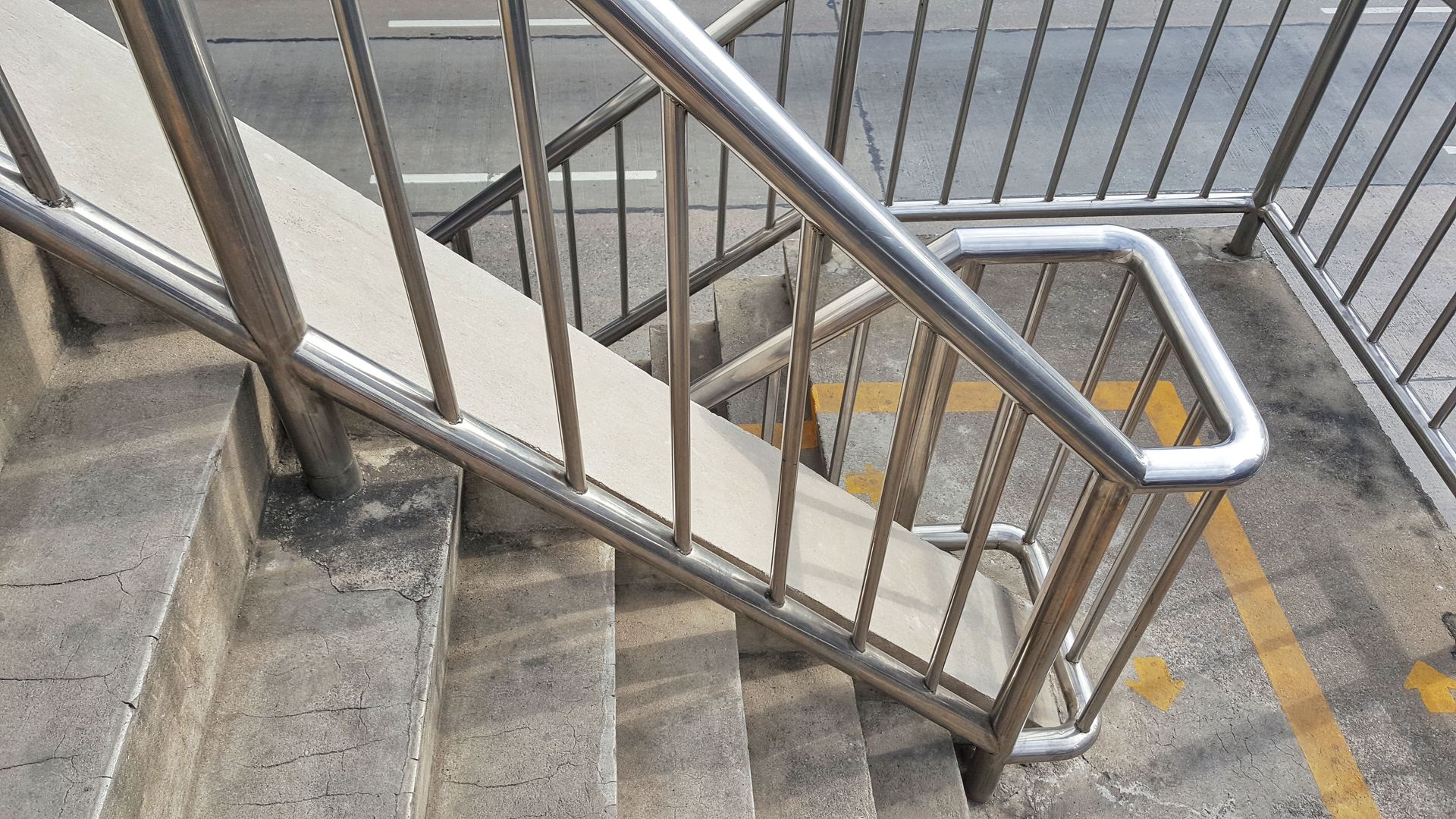
Staircases present unique falling hazards, making their specific railing codes among the most detailed in residential construction literature. We observe that the International Residential Code mandates continuous handrails along any flight of stairs that features four or more consecutive risers. These continuous handrails must extend smoothly over the full length of the run from the top step down to the bottom landing. Proper placement gives users continuous physical support during ascent and descent, preventing missteps on elevated outdoor or indoor stairs.
Handrail graspability is another vital aspect of stairway safety, dictating the physical dimensions and shapes allowed for hand grips. In our field, codes categorize handrails into Type I and Type II profiles, requiring circular handrails to feature an outside diameter between one and a quarter inches and two inches. Executing a compliant hand railing installation requires leaving at least one and a half inches of clear space between the finished wall surface and the handrail itself according to industry standards. This ample clearance allows individuals to firmly grasp the rail securely without scraping their fingers against surrounding construction materials.
Proper termination of handrail ends represents an essential safety detail that prevents clothing, bags, or straps from catching during travel. Standard residential codes mandate that handrail ends must return smoothly into the supporting wall or terminate gracefully into structural end posts. A complete hand railing installation leaves no sharp edges or open ends where belongings might catch and cause a sudden loss of balance. These thoughtful finishing touches elevate overall home safety while creating a polished, professionally finished architectural appearance.
Selecting Suitable Materials for Long-Term Compliance
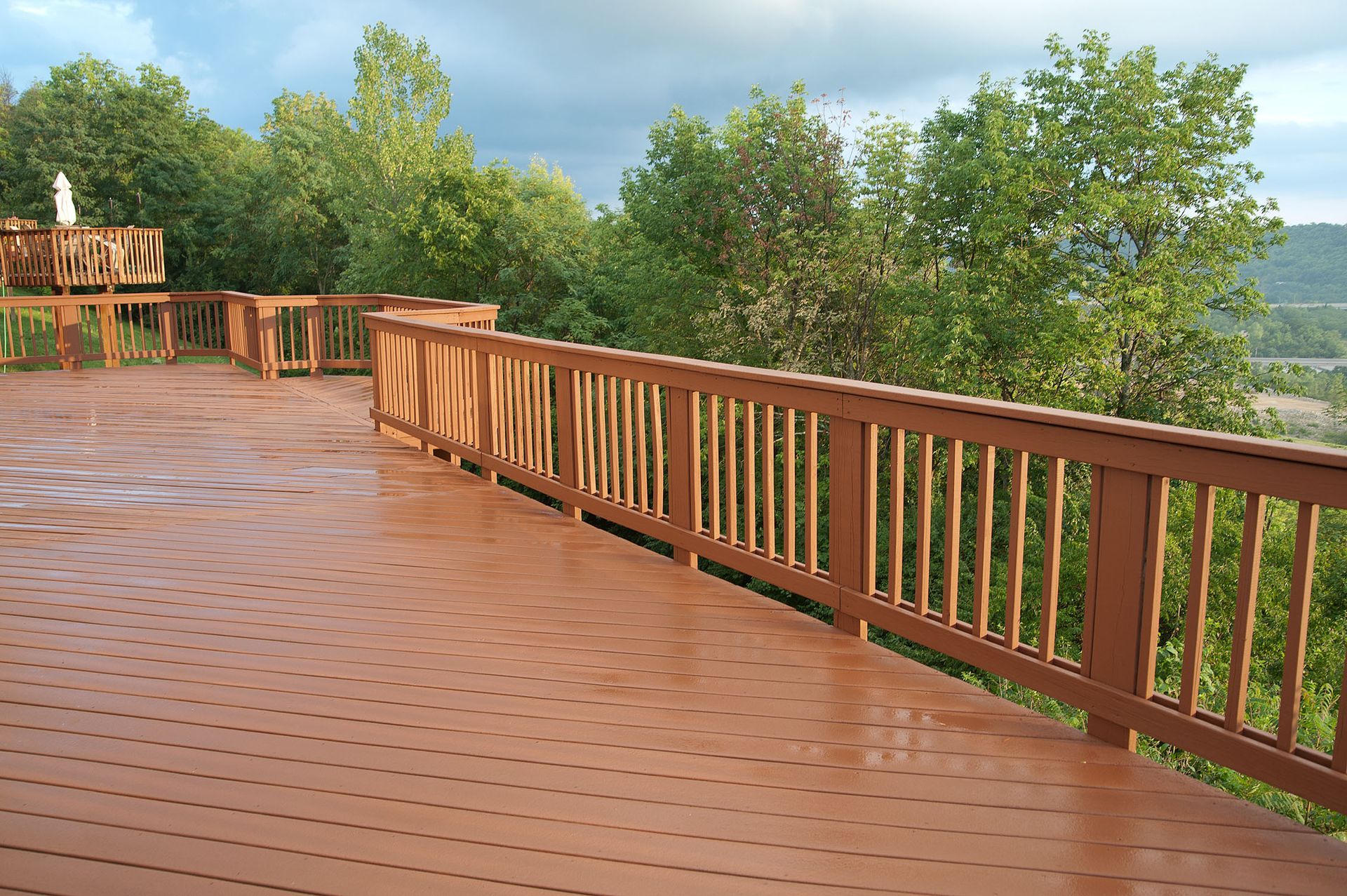
Choosing the correct construction materials impacts both the long-term aesthetic beauty and code durability of your guard systems. Traditional pressure-treated wood offers classic visual warmth, but it requires routine staining and sealing to prevent dangerous splintering, warping, or rotting over time. Modern composite materials, powder-coated aluminum, wrought iron, and stainless steel provide exceptional weather resistance while maintaining structural strength across harsh seasonal changes. Selecting high-grade materials protects your original financial investment while ensuring structural compliance for many decades to come.
Even the most robust materials will gradually degrade if they are subjected to continuous moisture, harsh sunlight, or improper structural fastenings. Regular inspections should focus on checking connection points, wall anchors, structural lag bolts, and support posts for signs of rust or looseness. Executing a successful hand railing installation involves using high-corrosion-resistant fasteners, such as stainless steel or coated exterior screws, to prevent concealed structural decay. Replacing compromised hardware early prevents minor structural loosening from turning into major safety hazards that fail inspection standards.
Navigating municipal building permits and inspection schedules can seem challenging, but working with trained construction specialists simplifies the process entirely. Local inspectors evaluate post depth, structural blocking, fastener patterns, height dimensions, and infill spacing before issuing final occupancy certificates. Relying on professional guardrail assembly guarantees that your home project adheres to current building codes while meeting local inspection criteria smoothly. Thorough planning and professional execution deliver total safety, beautiful design aesthetics, and long-lasting legal compliance for your home.
Understanding residential railing codes guarantees that your property remains safe, visually attractive, and structurally secure for all family members and visitors. From proper height measurements and precise infill spacing to grip dimensions and durable material choices, every structural detail plays a crucial role in preventing falls. Taking the time to understand these architectural regulations protects your financial investment while saving you from unexpected municipal fines or expensive structural renovations down the road. Investing in a professional
hand railing installation provides complete confidence that your home meets every relevant safety standard with precision.
At Titan Fence Co, we take pride in delivering fully compliant, custom-crafted railing solutions tailored to your property's unique aesthetic design. Our team of certified specialists handles every stage of design, permitting, and construction to ensure your project meets all national and local safety codes seamlessly. Contact us today to schedule your consultation and discover how we can elevate your home's safety and timeless beauty.