December 18, 2025
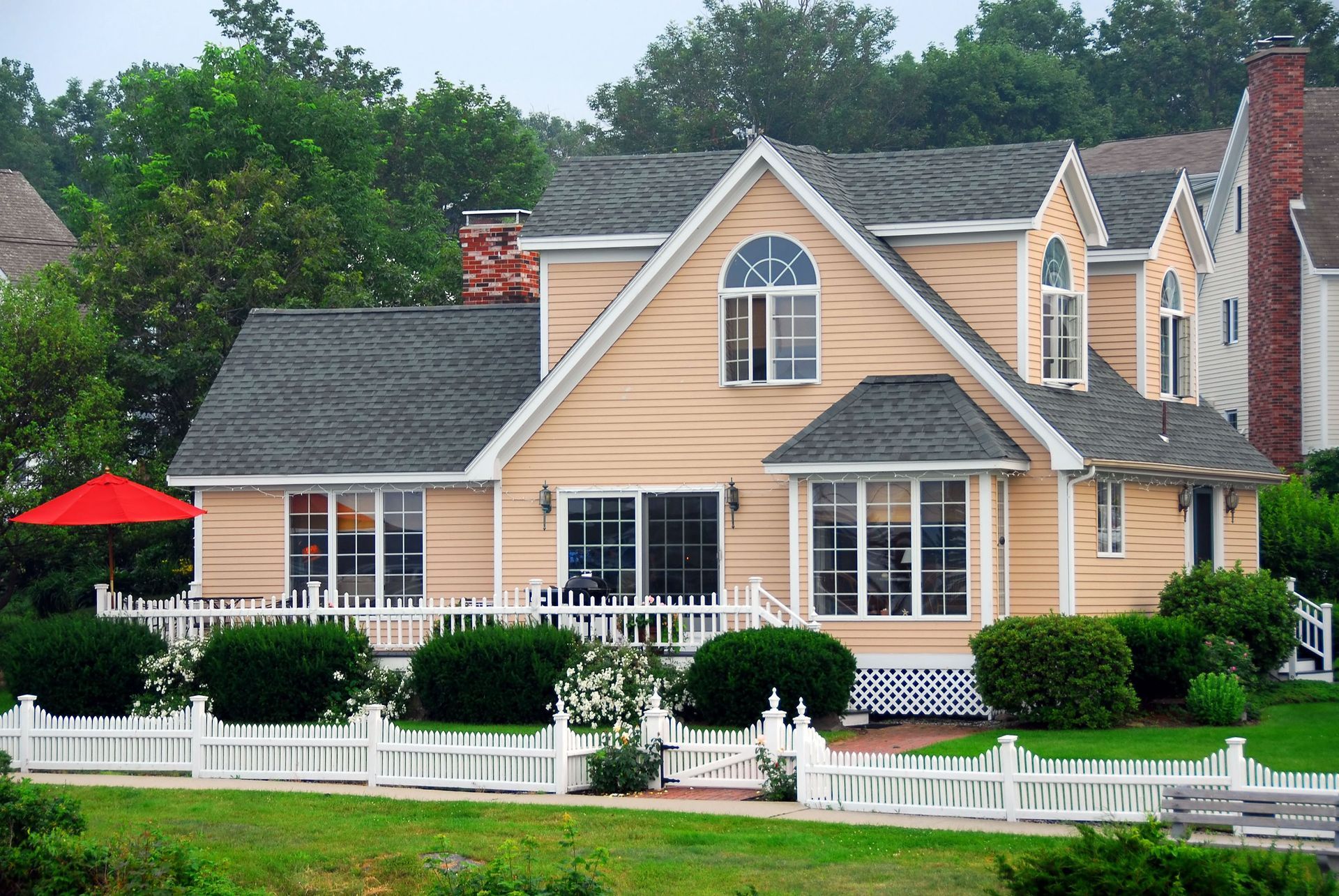
Fencing is an essential component of many residential and commercial properties, serving as a protective boundary while enhancing curb appeal. To maximize the lifespan of any fence, it is important to understand how material choices, installation methods, and long-term maintenance all work together. This article explores the key steps that influence durability, visual appeal, and long-term performance. By taking a strategic approach from the start, property owners can rely on consistent functionality while preserving aesthetic value for years to come.
Choosing the Right Materials
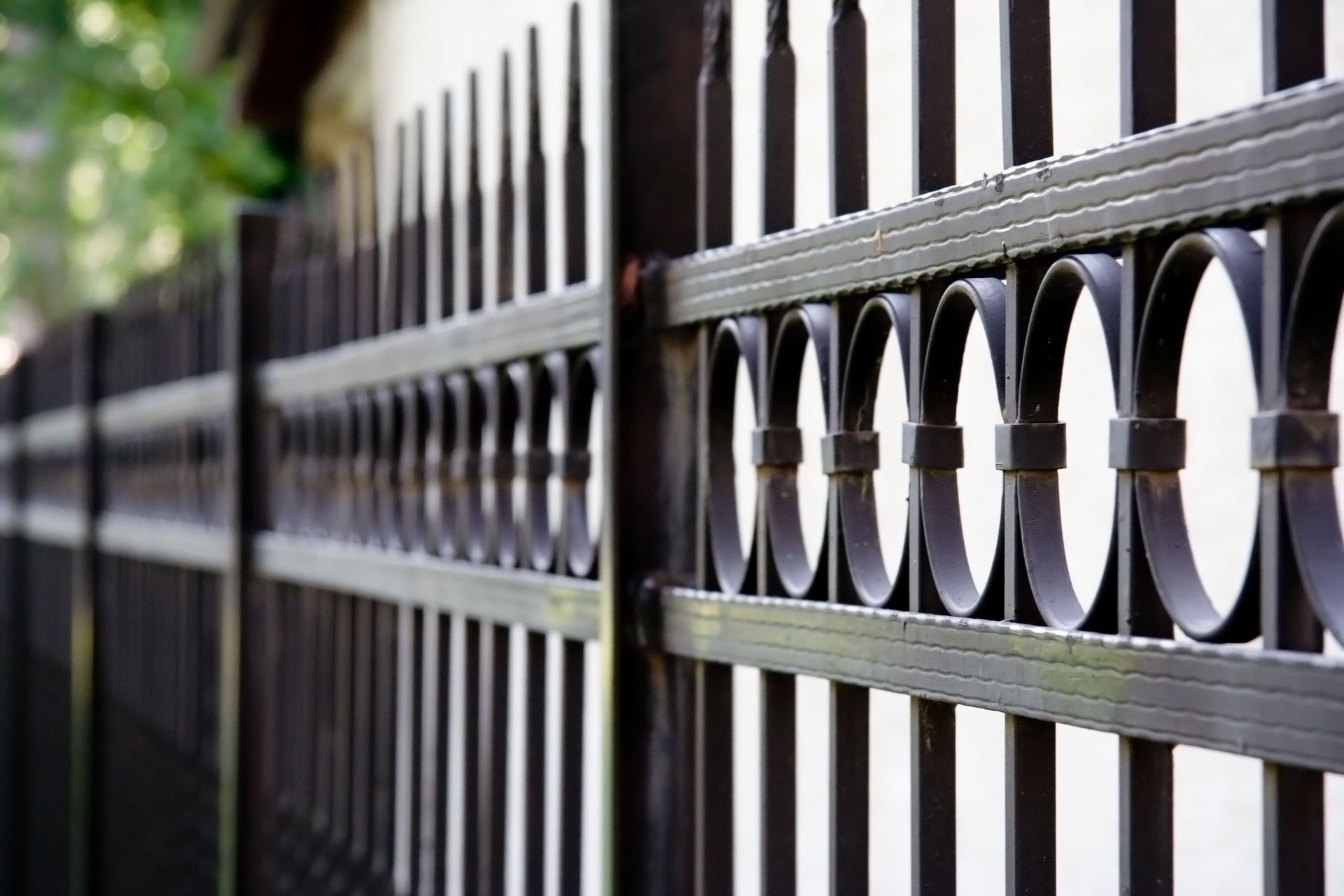
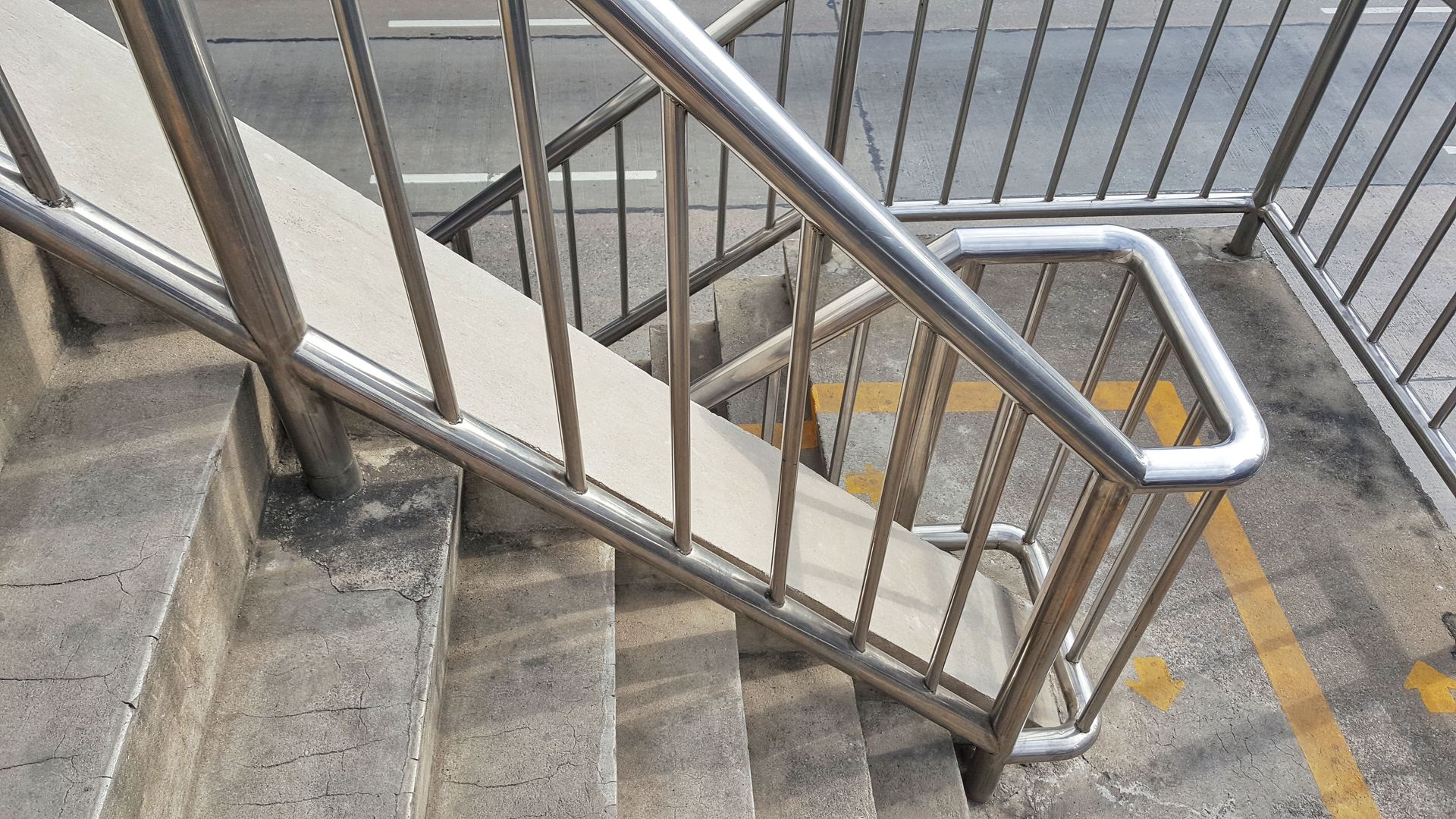
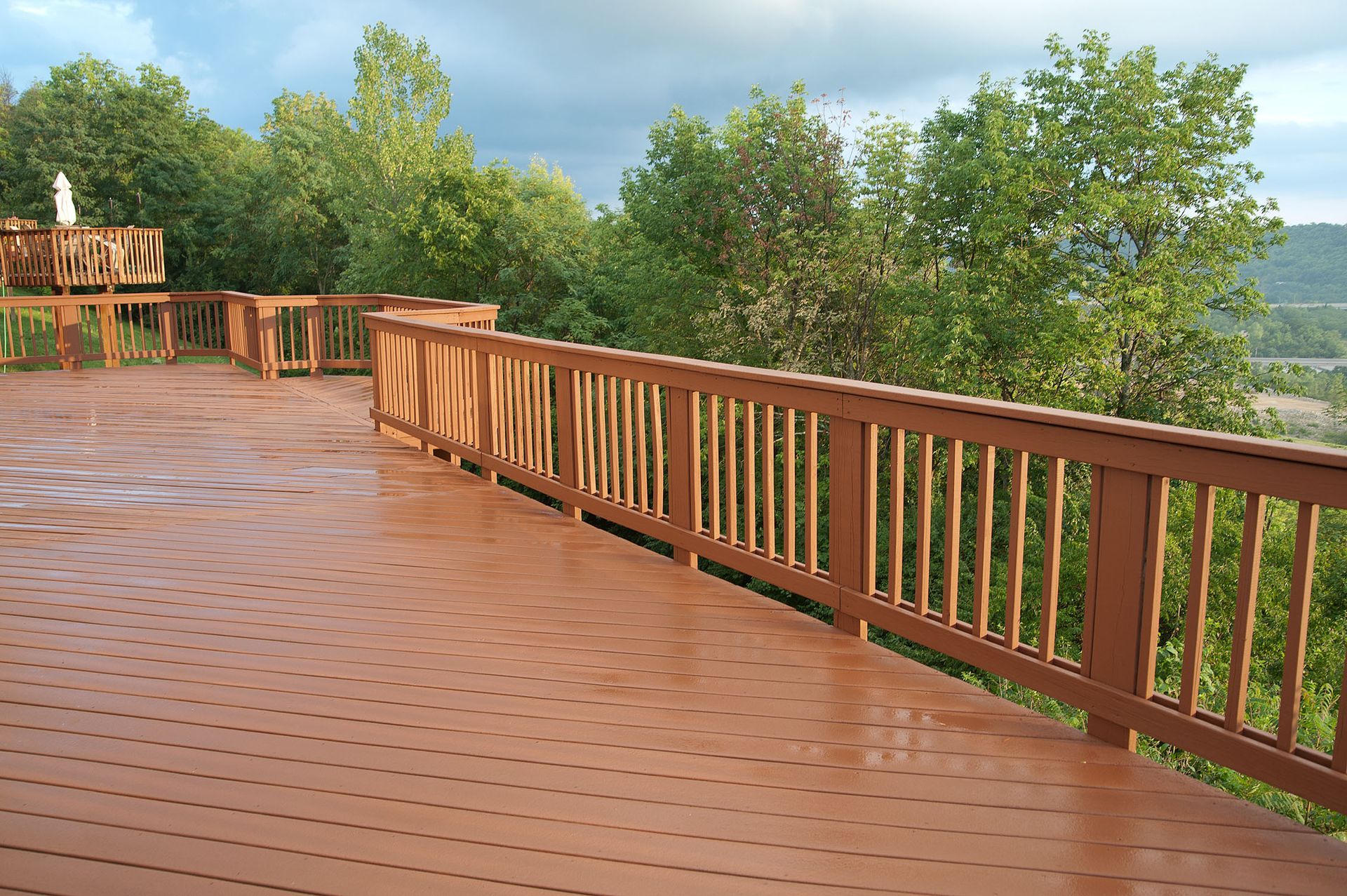
Selecting the appropriate materials is the foundation of a long-lasting fence. Wood offers a timeless, natural appearance, but it often requires more upkeep to withstand weather exposure. Vinyl options have grown popular for their minimal maintenance needs, though they can lose flexibility over time. Metal materials like steel and aluminum provide exceptional strength but must be protected against corrosion. Composite options combine wood fibers and plastics for enhanced longevity with reduced upkeep. Thoughtful material selection sets the stage for strong performance.
Local climate also plays an important role in how materials age. High humidity zones accelerate rot in wood, while coastal regions expose metal to salt-related corrosion. Dry, UV-intense climates may cause plastics or finishes to fade sooner than expected. Understanding environmental stressors allows homeowners to choose materials that naturally resist local wear conditions. In many regions, environmentally friendly materials such as bamboo or recycled composites also offer strong durability with lower ecological impact.
Balancing upfront investment with long-term performance is another vital consideration. While some materials cost more initially, they often reduce maintenance spending over the years. Wood may be economical to install, but frequent staining, painting, and sealing increase long-term costs. Higher-end materials may require fewer interventions, ultimately providing better value. Taking time to assess quality and reliable sourcing ensures that materials meet strength and safety expectations.
Installation Best Practices
Proper installation is one of the most influential factors in determining how long a fence will last. Many property owners debate between hiring professional installers or performing the work themselves. Professionals bring trained expertise and often provide warranties, while DIY installation may lower costs but requires precision and familiarity with construction techniques. The complexity of terrain, material type, and project scale should guide the decision.
A strong foundation is essential. Fence posts should be set in concrete deep enough to withstand frost heave, shifting soil, and sustained winds. Proper spacing between posts ensures that panels or rails do not bear excessive stress. Accurate measurements and straight alignment reduce structural strain and prevent aesthetic flaws. Using tools such as leveling lasers or guide strings helps maintain uniformity, especially on uneven ground.
Installing fences around natural landscape features requires adaptability. Sloped yards may need stepped or racked installation methods to preserve stability and visual consistency. Tree roots, rocks, and buried obstacles influence post placement and may require custom adjustments. High-quality fasteners such as stainless steel or galvanized hardware improve structural longevity by resisting rust and loosening over time. Reliable connections ensure the fence remains sturdy even under heavy environmental loads.
Regular Maintenance and Repairs
Routine maintenance is one of the most effective ways to extend the life of fencing materials. Inspections should take place at least twice a year to identify potential issues early. According to This Old House, cleaning chain link fabric and posts with mild soap and water once a year helps prevent deterioration and improves long-term performance. Inspections should look for rust formation, loose boards, insect activity, or shifting posts. Early detection prevents small problems from developing into major repairs.
Cleaning and sealing are central to maintaining a fence’s appearance and durability. Wood requires periodic washing to remove mildew and grime, followed by sealing to protect against moisture infiltration. Metal fences benefit from rust-preventive coatings and occasional repainting. Vinyl and composite materials usually need simple washing with mild detergents to avoid buildup of dirt or mildew. Consistency in cleaning increases resistance to damage and maintains visual appeal.
Timely repairs are equally essential. Replacing cracked boards, tightening loose fasteners, and reinforcing weak panels ensure the structure remains sound. Addressing rot or rust as soon as it appears prevents further deterioration. Metal sections may require re-tensioning or repainting, while vinyl pieces can often be swapped individually. Making repairs promptly protects the overall strength of the fencing and avoids larger structural issues in the future.
Protecting Against Environmental Elements
Weatherproofing measures add vital protection to fences exposed to harsh climates. Moisture is a major threat to wood, making stains and sealants important for preventing water absorption. UV-blocking coatings help reduce fading, cracking, or brittleness in many materials. Metal fences require protective primers and paints to keep oxygen and moisture from initiating corrosion. Strategic weatherproofing slows material breakdown and keeps surfaces looking vibrant longer.
Pest control also contributes to long-term performance. Termites and carpenter ants pose threats to wood structures, making regular treatments or pest-resistant coatings valuable preventive tools. Keeping soil, mulch, and vegetation away from the base of the fence reduces habitats where pests can thrive. Metal and vinyl options are less vulnerable but still benefit from keeping organic debris from accumulating around them.
Vegetation management further protects fences from stress and decay. Overgrown plants can trap moisture, add weight, or cause shifting in fence sections. Tree roots may disrupt post alignment or cause cracking in nearby foundations. Regular trimming and debris removal prevent these issues and maintain airflow around the structure. In high-traffic areas, physical barriers or reinforced materials may help prevent damage from vehicles, equipment, or heavy impacts.
Enhancing Aesthetic Longevity
Visual appeal is an important part of maintaining a fence that complements property style. Painting and staining help preserve color and protect surfaces from exposure. Wood typically requires refreshing every few years, while vinyl and metal may need attention less frequently. Quality outdoor finishes help maintain brightness and resist deterioration from sun or moisture exposure.
Thoughtful landscape integration enhances both beauty and practicality. Complementary plantings, lighting features, and color coordination help the fencing blend naturally with outdoor elements. Some homeowners incorporate climbing plants or shrubs to soften the structure’s appearance, though these should be managed to avoid structural damage. The use of timeless designs—such as simple lines, neutral tones, and durable materials—helps the structure maintain long-term appeal even as design trends change.
Custom enhancements like lattice panels, decorative post caps, or metalwork can add character without compromising durability. These features create visual interest, highlight architectural themes, and contribute to a more personalized outdoor space. Maintaining coordination with neighbors on shared boundaries promotes consistency and prevents disputes about design or upkeep responsibilities.
Emerging Innovations and Trends
New technologies continue to expand the capabilities of fencing systems. Smart features such as automated gates, motion sensors, or integrated lighting improve security and convenience. Monitoring systems allow homeowners to detect issues early, contributing to better maintenance planning. These innovations reflect ongoing shifts toward connected home ecosystems.
Recycled and sustainable materials are also becoming more popular. Advances in manufacturing have made recycled composites stronger and more aesthetically versatile. Recycled metal components reduce environmental impact while maintaining high durability standards. These choices appeal to eco-conscious property owners seeking long-lasting materials that support sustainability efforts.
Fencing plays an important role in defining property boundaries, supporting security, and enhancing visual appeal. By choosing the right materials, following best installation practices, performing routine maintenance, and adapting to environmental conditions, homeowners can significantly extend the lifespan of their fence. Incorporating emerging trends and protective strategies further strengthens long-term performance. Contact Titan Fence Co today and get connected with our fencing services.