December 19, 2025
Vinyl fencing is a popular choice among homeowners due to its durability and low maintenance requirements. Unlike wood, vinyl does not warp, rot, or require repainting, making it an excellent long-term investment. While vinyl fence installation may seem like a simple task, it's important to recognize that professional installation is essential to ensure a successful and long-lasting result. This guide explores the essentials of vinyl fence installation, from understanding the material to the necessary steps for hiring the right professionals. Whether you're planning to hire a professional or seeking to better understand the process, this article will provide you with the knowledge needed for a smooth and efficient installation.
Understanding Vinyl Fencing
Types of Vinyl Fences
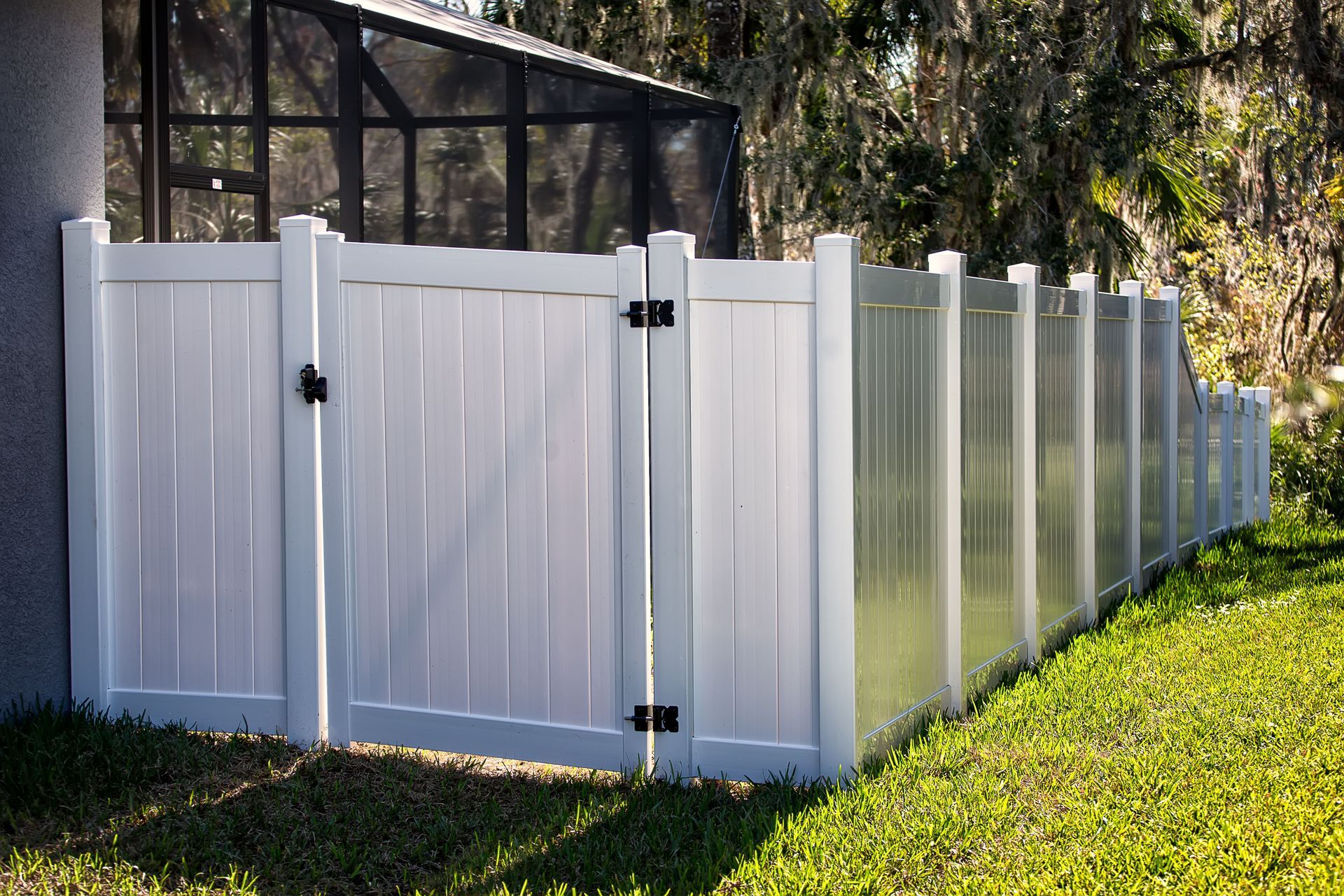
Vinyl fences come in various styles, such as picket, privacy, and ranch rail fences. Picket fences are aesthetically pleasing and work well in front yards. Privacy fences offer seclusion, making them ideal for backyards, while ranch rail fences are perfect for large yards or rural settings. Vinyl fence installation options come in a range of colors and textures, including traditional white and faux wood finishes. Choosing the right style is key to ensuring the fence aligns with both your aesthetic preferences and the functional needs of your property. For the best results, it’s recommended to work with a professional who can help guide you through this selection process.
Choosing the Right Vinyl Fence for Your Needs
When selecting a vinyl fence, consider factors like height, style, color, and local climate. Taller, solid-panel fences are better for privacy, while shorter picket fences enhance curb appeal. Vinyl fences are available in various colors, such as white, beige, and gray, to complement your home's exterior. According to This Old House, fences should be up to 40 inches tall to allow larger animals, such as deer, to jump over safely. Ensure your vinyl fence installation aligns with local zoning laws and neighborhood regulations, especially when it comes to height or material restrictions. Professional installation services will also handle any required permits or approvals, ensuring full compliance with local regulations.
Preparation for Installation
Planning Your Fence Layout
Effective planning is essential for a successful vinyl fence installation. Before beginning the installation, a professional installer will assess your property, carefully measure the area, and consider obstacles like trees, utility lines, or slopes. Proper planning will prevent costly mistakes and ensure that the fence is placed in the most effective position. Professionals will also use the right tools and methods to ensure the fence is aligned properly, avoiding issues like uneven posts or an unstable structure. For the best results, it's important to leave the planning and measurements to a qualified fence installation expert.
Obtaining Necessary Permits
Before installation, check local regulations to see if a permit is required for vinyl fence installation. Permits typically depend on fence height, location, and design. A professional installer will handle the permitting process for you, ensuring all necessary documentation is submitted and approved. This is especially important if you live in an area with strict zoning laws or homeowners associations (HOAs) that impose specific guidelines on fencing. Hiring a professional will help prevent delays, fines, or disputes with local authorities.
Marking Property Boundaries
Before beginning vinyl fence installation, verifying your property boundaries is essential to avoid potential conflicts with neighbors. Professionals often use surveyors or rely on existing property markers to ensure that the fence is installed within your property lines. Misplaced fences can lead to costly legal disputes or the need for costly removal and reinstallation. Consulting with professionals helps prevent these issues and ensures that your vinyl fence installation is completed smoothly and within your property’s legal limits.
Gathering Tools and Materials
Essential tools for vinyl fence installation include a post-hole digger, level, hammer, power drill, and measuring tape. Professionals come equipped with all the necessary tools and materials, ensuring that the installation is completed efficiently and safely. Attempting to perform vinyl fence installation without the right equipment can result in mistakes, wasted materials, and added costs. A professional installer will also have access to high-quality materials that ensure your fence’s durability and long-term performance.
Safety Considerations
Safety should be a priority throughout the vinyl fence installation process. Professionals will take the necessary precautions to avoid injuries and accidents. They will inspect the area for underground utilities before digging and ensure that all team members are wearing proper protective gear. Handling large panels, power tools, and heavy posts requires knowledge and experience, which is why hiring a skilled team is the safest option. Professional installers follow safety protocols and adhere to industry standards, minimizing the risk of injury and ensuring that your vinyl fence installation is done properly.
Step-by-Step Installation
Setting the Corner and End Posts
The corner and end posts form the foundation of the vinyl fence. Professionals will ensure that these posts are installed correctly, with a proper depth and alignment. These corner posts are crucial for the overall stability of the fence, and a skilled installer will ensure they are perfectly straight and secure before proceeding with the rest of the installation. Proper placement of corner and end posts will help guarantee the durability and longevity of your vinyl fence.
Installing the Fence Panels
After setting the corner posts, professionals will attach the vinyl panels to the posts. Each panel will be properly secured, ensuring that it is level and aligned with the rest of the fence. Installing the panels correctly is essential to prevent sagging or shifting over time. Professionals have the experience to ensure that each panel is tightly secured and that the fence is stable for years to come. Attempting this task without expertise can lead to mistakes that affect the fence’s performance and appearance.
Securing the Gate
If your fence includes a gate, a professional installer will ensure that it is properly aligned, swings freely, and is securely attached to prevent sagging. They will carefully measure and adjust the gate to fit perfectly within the opening, providing smooth operation and preventing future issues. Proper gate installation is crucial for both security and convenience, and professional expertise ensures that it functions properly for years.
Final Adjustments and Clean-Up
Once all panels are installed and the gate is functioning, the installer will conduct a final inspection, checking for any loose panels or alignment issues. They will ensure that everything is securely fastened and that the fence is visually appealing. Afterward, the area will be cleaned, and any excess materials will be removed. A professional installation team will handle the clean-up, leaving your property free of debris and ready to enjoy your new vinyl fence.
Vinyl fencing offers a practical and attractive solution for homeowners looking for a low-maintenance, long-lasting fence. By understanding the different types of vinyl fences, their pros and cons, and the installation process, you can confidently proceed with your project. Professional installation is essential for a flawless result, ensuring durability, safety, and aesthetic appeal. Whether you choose to hire an expert or consult with a contractor, careful planning and attention to detail will guarantee a successful vinyl fence installation. Remember to evaluate your specific needs, budget, and local regulations to make the best choice for your property. To get started, call Titan Fence Co today.